As Amazon Associates, we earn from qualifying purchases. This means we may receive a small commission at no extra cost to you if you click through and make a purchase.
As an Amazon Associate we earn from qualifying purchases. Links on this page are affiliate links.
The juki single needle quilting machine vs high speed quilting machine comparison helps you choose between two JUKI models designed for quilting. Both machines target quilting projects and share similar dimensions. The primary difference lies in their feature sets and marketing focus. One model emphasizes portability and specific utility tools like an automatic threader, while the other highlights high-speed performance and a bonus accessory pack. You need to decide which set of specifications better matches your workflow and space constraints.
Model Number
MO-735
TL-2010Q
Color
Red
White
Length
25.7 inches
25 inches
Weight
38 pounds
39 pounds
Key Features
Automatic thread trimmer, knee lifter, automatic needle threader
High-speed performance, large workspace, bonus accessory pack
Choose the first if
- You want a machine with an automatic needle threader to reduce eyestrain.
- You prefer a slightly lighter unit that is easy to transport.
- You need a knee lifter lever for hands-free presser foot control.
Choose the second if
- You prioritize high-speed stitching for efficient project completion.
- You want a machine marketed with a large workspace and extended arm.
- You value a comprehensive bonus package of accessories included out of the box.
Verdict
Choose the JUKI Single-Needle Quilting Machine if you value specific utility features like an automatic needle threader and a knee lifter for detailed work. Opt for the JUKI High Speed Quilting Machine if your priority is rapid stitching speeds and a larger workspace for bulky quilts. Both models are built for quilting, so your choice depends on whether you prefer specialized tools or raw speed and included accessories.
JUKI Single Needle vs High Speed Quilting
Intended Use
Edge: Tie
Both machines are designed specifically for quilting projects. The JUKI Single-Needle Quilting Machine lists quilting as its intended use, supported by its specialized features like a knee lifter for handling light to heavyweight materials. The JUKI High Speed Quilting Machine also targets quilting, emphasizing a large workspace and extended arm to maneuver bulky quilts. Both models share the same core purpose, allowing you to create consistent stitches on various fabric sizes. You can rely on either machine for dedicated quilting tasks without compromising on the primary function required for your textile work.
Operation Features
Edge: JUKI Single-Needle Quilting Machine
The JUKI Single-Needle Quilting Machine includes practical operational tools such as an automatic thread trimmer and an automatic needle threader. These features save time by trimming needle and bobbin threads with a button press and threading the needle without eye strain. It also features a knee lifter that raises the presser foot up to 12mm, freeing your hands for fabric handling. The JUKI High Speed Quilting Machine data does not list these specific convenience features. While it mentions high-speed performance and durable construction, it lacks the explicit mention of automatic trimming or threading aids found in the single-needle model.
Build and Stability
Edge: JUKI High Speed Quilting Machine
Both machines offer robust construction suitable for intensive use. The JUKI High Speed Quilting Machine highlights a solid frame that minimizes vibration during high-speed operation, ensuring stable performance over years of creative work. It is built with robust materials for industrial-quality construction. The JUKI Single-Needle Quilting Machine is described as having a lightweight and portable design, weighing 38 pounds compared to the 39-pound high-speed model. While both are heavy, the single-needle model is slightly lighter, which may aid in transport, though the high-speed model emphasizes vibration reduction for precision.
Dimensions and Workspace
Edge: Tie
The physical footprint of both machines is nearly identical, which affects your workspace planning. The JUKI Single-Needle Quilting Machine measures 14 inches in width, 18 inches in height, and 25.7 inches in length. The JUKI High Speed Quilting Machine measures 14 inches wide, 18 inches high, and 25 inches long. The single-needle model is slightly longer by 0.7 inches. Both provide ample room for maneuvering fabric, with the high-speed model specifically noting an extended arm for bulky quilts. You will find similar table space requirements for either choice, with minor variations in length.
Included Accessories
Edge: JUKI High Speed Quilting Machine
The package contents differ between the two models. The JUKI High Speed Quilting Machine comes with a complete bonus pack, including a comprehensive set of accessories and tools to start projects immediately. This package is designed to enhance your sewing experience right out of the box. The JUKI Single-Needle Quilting Machine data does not mention a specific bonus pack or accessory set. While it lists key features like the knee lifer and automatic trimmer, it lacks the explicit promise of additional tools included in the high-speed model's bundle, which may provide more immediate utility for new users.
Color Options
Edge: JUKI Single-Needle Quilting Machine
The aesthetic appearance of the machines varies by color. The JUKI Single-Needle Quilting Machine is available in red, which may stand out in your sewing room. The JUKI High Speed Quilting Machine is offered in white, providing a more neutral look that might blend better with existing decor. This difference is purely visual and does not impact performance or functionality. You should choose based on which color preference aligns with your workspace environment. The choice between red and white allows you to personalize your sewing area without affecting the mechanical capabilities of either machine.
Which Juki Model Fits Your Quilting Needs
Quilters needing hands-free presser foot control
Our pick: JUKI Single-Needle Quilting Machine
The JUKI Single-Needle Quilting Machine includes a knee lifter lever. This allows you to raise the presser foot up to 12mm without using your hands. You can handle light to heavyweight materials easily. This feature helps you keep your hands on the fabric while maneuvering bulky quilts through the sewing area.
Users wanting automatic thread trimming convenience
Our pick: JUKI Single-Needle Quilting Machine
This model features an automatic thread trimmer. You can simultaneously trim needle and bobbin threads by lightly pressing a button. This saves time and effort after finishing seams. The automatic needle threader is also included, allowing you to thread the needle quickly without eye strain. These tools streamline your workflow.
Those prioritizing a lighter portable machine
Our pick: JUKI High Speed Quilting Machine
The JUKI High Speed Quilting Machine weighs 39 pounds. While slightly heavier, it is described as portable. Its design emphasizes high-speed performance and professional precision stitching. The robust construction minimizes vibration during operation. This model suits quilters who want stable, reliable performance for intensive use on projects of all sizes.
JUKI Single-Needle Quilting Machine
Best for: quilters needing automatic thread trimming
- Needle Threader
- Automatic
- Intended Use
- Quilting
- Dimensions
- 25.7 × 14 × 18 inches
- Weight
- 38 pounds
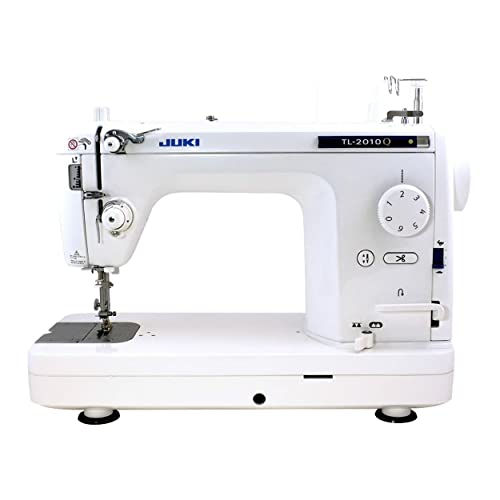
The JUKI TL-2010Q is a single-needle, lockstitch sewing machine designed for quilting and tailor work. It features an automatic thread trimmer and an automatic needle threader to speed up your workflow. The knee lifter lever raises the presser foot up to 12mm, helping you handle light to heavyweight materials easily. Weighing 38 pounds, this portable unit measures 25.7 inches in length, offering a sturdy build for your sewing projects.
- Automatic thread trimmer for needle and bobbin threads
- Automatic needle threader reduces eyestrain
- Knee lifter lever raises foot up to 12mm
- Portable design at 38 pounds
- Heavier build at 38 pounds compared to lighter models
- Single-needle configuration limits multi-needle stitching options
- You need automatic thread trimming for faster quilting sessions
- You want a knee lifter for hands-free presser foot control
- You prefer a portable machine that is easy to transport
- You require a multi-needle machine for complex designs
- You need a machine with a digital display screen
- You prefer a very lightweight unit under 30 pounds
Verdict: JUKI TL-2010Q Quilting Machine suits quilters who value speed and convenience through automatic features and knee lift control. It is a solid choice for those handling varied fabric weights who do not need multi-needle capabilities.
JUKI High Speed Quilting Machine
Best for: stable high-speed quilting of large projects
- Intended Use
- Quilting
- Dimensions
- 25 × 14 × 18 inches
- Weight
- 39 pounds
The Juki TL-2010Q is a high-speed quilting machine designed for professional precision. It measures 25 inches long, 18 inches high, and 14 inches wide, with a substantial weight of 39 pounds. This solid frame minimizes vibration during operation. The machine features a large workspace and extended arm, providing ample room for maneuvering bulky quilts. It is built for intensive use and delivers consistent stitches at high speeds.
- High-speed performance for efficient project completion
- Large workspace and extended arm for bulky quilts
- Solid frame minimizes vibration during high-speed operation
- Professional precision stitching with industrial-quality construction
- Heavy build at 39 pounds makes it less portable
- Large footprint with 25-inch length requires significant table space
- You need a stable machine for large quilting projects
- You prioritize high-speed performance and precision stitching
- You have dedicated space for a 39-pound machine
- You require a lightweight machine for easy transport
- You have limited table space for large equipment
- You prefer a compact machine under 20 inches long
Verdict: Juki TL-2010Q High Speed Quilting Machine suits quilters who need a heavy, stable platform for large projects and do not mind a significant footprint. It fits those who value vibration-free high-speed operation over portability.
Specifications side by side
| Spec | JUKI Single-Needle Quilting Machine | JUKI High Speed Quilting Machine |
|---|---|---|
| Needle Threader | Automatic | – |
| Intended Use | Quilting | Quilting |
| Dimensions | 25.7 × 14 × 18 inches | 25 × 14 × 18 inches |
| Weight | 38 pounds | 39 pounds |
| Color | red | white |
| Model | MO-735 | TL-2010Q |
Frequently asked questions
What is the weight difference between the two JUKI models?
The JUKI High Speed Quilting Machine is slightly heavier at 39 pounds. The Single-Needle Quilting Machine weighs 38 pounds. This one-pound difference is negligible for most users. Both machines are heavy enough to remain stable during high-speed operation. You should consider this weight if you plan to move the machine frequently.
Do these machines have different physical dimensions?
The models share the same width and height. The Single-Needle model is 14 inches wide and 18 inches tall. The High Speed model is also 14 inches wide and 18 inches tall. The length differs slightly. The Single-Needle version is 25.7 inches long. The High Speed version is 25 inches long.
Which model is better for handling thick fabrics?
The JUKI Single-Needle Quilting Machine is designed for light to heavyweight materials. It features a knee lifter that raises the presser foot up to 12mm. This allows you to stack multiple layers of fabric easily. The High Speed model focuses on stability for large projects rather than specific fabric weight handling features.
Is there a color difference between the two machines?
Yes, the exterior colors differ between the models. The JUKI Single-Needle Quilting Machine comes in red. The JUKI High Speed Quilting Machine is white. This is a cosmetic difference only. The internal mechanics and quilting performance are determined by their specific model designs rather than their paint color.
Which machine is best for large quilting projects?
The JUKI High Speed Quilting Machine is ideal for large projects. It provides a heavy, stable platform that reduces vibration during operation. This stability helps maintain consistent stitch quality across large areas. The Single-Needle model is better suited for varied fabric weights and convenience features like automatic thread trimming.
Do both machines include a knee lifter?
The JUKI Single-Needle Quilting Machine includes a knee lifter lever. This feature allows hands-free presser foot control. The provided data does not explicitly confirm the presence of a knee lifter on the High Speed model. You should verify this specific feature in the manual for the High Speed version if hands-free operation is required.
What is the main advantage of the Single-Needle model?
The main advantage is automatic thread trimming. This feature saves time and improves efficiency. The machine also offers a knee lifter for easy fabric handling. These features make it suitable for quilters who value speed and convenience. It handles varied fabric weights well without needing multi-needle capabilities.