As Amazon Associates, we earn from qualifying purchases. This means we may receive a small commission at no extra cost to you if you click through and make a purchase.
As an Amazon Associate we earn from qualifying purchases. Links on this page are affiliate links.
Operation Explained For Buyers
The operation type defines how a machine processes stitches. You will see two main categories on listings: computerized and mechanical. Understanding this distinction helps you choose the right tool for your projects. This guide covers operation explained so you can make an informed decision.
Mechanical machines rely on physical dials, knobs, and levers. You select stitch patterns by turning a dial or adjusting a lever. The tension is set manually using a dial on the front or side. These machines do not require batteries or electricity to function, though they often need power for the needle motor. They offer direct, tactile control. You feel every adjustment. This simplicity makes them durable and easy to repair. Many sewers prefer them for basic tasks or when they want full manual oversight.
Computerized machines use an internal microprocessor to control stitch length, width, and pattern. You select options using a digital display and buttons. The machine automatically sets the tension for most stitches. This automation reduces guesswork. You can save custom settings or access complex embroidery designs that mechanical models cannot produce. The interface is usually LCD or LED. Some models include a drop-down screen for detailed menus. This technology allows for precision and speed, especially in embroidery work.
When shopping, check the product specifications for the operation type. Listings will clearly label the machine as mechanical or computerized. Do not assume a machine is computerized just because it has many stitches. The control method is the key differentiator. Mechanical models are often lighter and less expensive. Computerized models offer more features and consistency.
Your choice depends on your skill level and project needs. Beginners might appreciate the guidance of computerized settings. Experienced sewers may enjoy the hands-on nature of mechanical controls. Both types can produce high-quality results. The difference lies in how you interact with the machine. Review the specs carefully to ensure the operation mode matches your workflow.
Computerized vs Mechanical Operation
Computerized
Computerized machines use digital controls to manage stitch length, width, and selection. You select patterns from a menu rather than turning dials. This setup offers precision and consistency, especially for complex designs. The Brother CS7000X Computerized Sewing and Quilting Machine is a top example. It includes 70 built-in stitches and automatic threading. You benefit from a fixed needle bar for stable results. These machines often feature LCD displays for clear navigation. The trade-off is higher complexity and cost. You rely on electronic components for every stitch. This suits quilters who need variety and detailed work. It is less ideal if you prefer simple, manual adjustments.
Mechanical
Mechanical machines rely on physical dials and levers for operation. You manually set stitch length and width by turning knobs. This approach offers direct control and tactile feedback. The Janome 1522 Mechanical Sewing Machine is a sturdy option for beginners. It features a metal frame for durability and a one-step buttonhole. You do not depend on software or screens. This makes the machine reliable and easier to maintain. The trade-off is limited stitch variety and manual effort. You must adjust settings for every change. This suits users who value simplicity and robust construction. It is ideal for basic sewing and leather work. The ColouredPeas Shoe Repair Hand Leather Machine also uses mechanical operation for heavy tasks.
Who Needs Computerized Operation
Who needs it
You need computerized operation if you plan to sew intricate designs or require consistent stitch quality across large projects. Digital controls manage stitch length and width automatically, reducing manual adjustments. This precision is vital for quilting, embroidery, or garment construction where symmetry matters. The interface allows you to store patterns and recall them instantly, saving time during repetitive tasks. If you value accuracy over manual dexterity, this feature supports your workflow. It also simplifies learning complex stitches, as the machine handles the mechanics. You benefit from features like automatic needle threading and tension adjustment, which are often paired with computerized systems. This setup reduces user error and ensures professional results. Choose this option if you prioritize efficiency and technical consistency in your sewing projects.
Who can skip it
You can skip computerized operation if you prefer simple, reliable machines for basic repairs or straight stitching. Mechanical models use manual dials for stitch selection and length, offering direct control without electronic components. This simplicity means fewer parts to break and easier maintenance. If you sew occasionally or work with heavy fabrics that strain motors, mechanical operation provides durability. You do not need digital interfaces for basic seams. Focus on stitch width, presser foot pressure, and bobbin type instead. These mechanical specs determine performance for everyday tasks. Avoid electronic features if you want a lightweight, portable machine. Manual controls are intuitive for beginners who want to understand the mechanics of sewing. Prioritize robust construction and ease of use over digital convenience.
Sewing Machine Glossary
Intended Use
This label indicates the primary tasks the machine handles, such as basic garment construction, heavy-duty quilting, or detailed embroidery. It helps you match the tool to your specific project needs.
Operation
This refers to the control system, typically classified as mechanical or computerized. Mechanical models use dials, while computerized versions use digital interfaces to manage stitch parameters automatically for you.
Stitch Type
This describes the visual pattern of the thread on fabric, including straight, zigzag, or decorative options. Different types serve distinct functions, from joining seams to adding ornamental details to your work.
Features
These are additional capabilities beyond basic stitching, such as automatic needle threading or thread trimming. These functions streamline your workflow and reduce manual effort during complex sewing tasks.
Display Type
This specifies the interface used to select settings, ranging from simple LED indicators to full LCD screens. A clear display helps you verify stitch length, width, and pattern selection accurately.
Included Accessories
These are the tools provided with the machine, such as presser feet, bobbins, or needles. Checking this list ensures you have the necessary hardware to start your projects immediately.
Stitch Count
This number indicates the total variety of stitches available, from basic utility stitches to decorative options. A higher count offers more creative flexibility for different fabric types and design styles.
Embroidery Area
This measurement defines the maximum size of the design the machine can stitch in one hoop placement. Larger areas allow you to create bigger logos or patterns without repositioning the fabric.
| # | Product | Best for | Price |
|---|---|---|---|
| 1 | Brother Computerized Sewing and Quilting Machine | Quilting and detailed sewing with 70 stitches | |
| 2 | Janome 1522 Mechanical Sewing Machine | Beginners seeking a durable mechanical machine | |
| 3 | Brother Computerized Sewing and Quilting Machine | Quilters needing many stitch options and digital controls | |
| 4 | ColouredPeas Shoe Repair Hand Leather Machine | shoe repair and leather stitching | |
| 5 | SINGER Heavy Duty Computerized Sewing Machine | Heavy fabric projects requiring high stitch variety | |
| 6 | Janome Heavy-Duty Mechanical Sewing Machine | Beginners needing durable mechanical control |

Brother Computerized Sewing and Quilting Machine
Best for: Quilting and detailed sewing with 70 stitches
- Operation
- Computerized
- Built-In Stitches
- 70
- Operation Type
- Computerized
- Bobbin System
- Top drop-in
- Needle Threader
- Automatic
- Included Presser Feet
- 10
The Brother CS7000X is a computerized sewing and quilting machine with 70 built-in stitches. It features an automatic needle threader, a drop-in top bobbin, and a fixed needle bar for stable stitching. The metal frame supports heavy projects, while the large needle-to-arm workspace accommodates quilts. This model includes 10 presser feet and an extension table, making it a capable tool for detailed work and larger fabric pieces.
- 70 built-in stitches for utility and decorative work
- Automatic needle threader for easier setup
- Fixed needle bar ensures even stitching lines
- Large needle-to-arm workspace for quilting
- Includes 10 presser feet and extension table
- Heavier build at 20.2 pounds compared to lighter mechanical options
- Fewer built-in stitches than the 165-stitch Brother XR9550
- Smaller stitch count than the 70+ range of some competitors
- You need a computerized machine with a wide variety of stitch options
- You frequently quilt large projects requiring extra workspace
- You prefer an automatic needle threader to save time
- You prefer a lightweight mechanical machine for portability
- You need more than 70 built-in stitches
- You want a dedicated embroidery machine rather than a sewing focus
Verdict: Brother CS7000X Computerized Sewing Machine fits quilters and sewers who value a large workspace and a broad stitch selection in a sturdy, computerized format. It is ideal for those who want automatic threading and a fixed needle bar for consistent results.
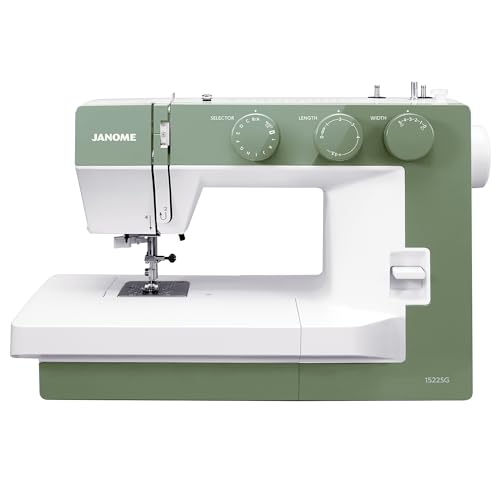
Janome 1522 Mechanical Sewing Machine
Best for: Beginners seeking a durable mechanical machine
- Operation
- Mechanical
- Built-In Stitches
- 22
- Operation Type
- Mechanical
- Needle Threader
- Built-in
- Intended Use
- Beginners
- Features
- Metal Frame, 1-Step Buttonhole, Automatic Needle Threader
The Janome 1522SG is a mechanical sewing machine designed for beginners. It features 22 built-in stitches and a one-step buttonhole function. The unit has a solid metal frame and weighs 14.3 pounds. It includes a built-in needle threader and automatic bobbin winder. The soft green finish complements your workspace. This machine suits those who prefer manual controls over computerized systems.
- 22 built-in stitches for utility, stretch, and decorative work
- Solid metal frame construction for structural integrity
- Built-in needle threader and auto declutch bobbin winder
- 3-step foot pressure adjustment for fabric precision
- Fewer built-in stitches than the 165-stitch Brother XR9550
- Heavier build at 14.3 pounds compared to lighter portable options
- You want a mechanical machine with a metal frame
- You need a built-in needle threader for ease of use
- You are a beginner looking for 22 built-in stitches
- You require computerized operation for automated stitch selection
- You need more than 22 built-in stitch options
- You prefer a lightweight machine under 10 pounds
Verdict: Janome 1522SG Mechanical Sewing Machine is a sturdy option for beginners who value manual control and metal durability. It fits users who want a reliable mechanical setup with essential features like a needle threader and foot pressure adjustment.

Brother Computerized Sewing and Quilting Machine
Best for: Quilters needing many stitch options and digital controls
- Operation
- Computerized
- Built-In Stitches
- 165
- Operation Type
- Computerized
- Bobbin System
- Drop-in top
- Needle Threader
- Automatic
- Included Presser Feet
- 8
The Brother XR9550 is a computerized sewing and quilting machine featuring 165 built-in stitches and an LCD display. It includes an automatic needle threader, a drop-in top bobbin, and an extension table for larger projects. Weighing 10.1 pounds, it offers a stable build for home use. This model suits quilters and sewers who need a wide variety of stitch options and digital controls for precise adjustments.
- 165 built-in utility, decorative, and alphanumeric stitches
- Intuitive LCD display for easy stitch selection
- Automatic needle threader reduces setup time
- Includes extension table for quilting support
- Drop-in top bobbin system is jam-resistant
- 165 stitches is fewer than the 7000X's 70 built-in utility and decorative options plus extensive quilting features
- 10.1 pound weight is heavier than the HD5000's portable design
- Standard size lacks the compact footprint of the ColouredPeas hand machine
- You need a wide variety of decorative and utility stitches for quilting projects
- You prefer digital controls and an LCD screen for stitch selection
- You want automatic threading to speed up your sewing workflow
- You require a mechanical machine for simple, straightforward stitching tasks
- You need a lightweight, portable machine for travel or small spaces
- You are looking for a hand-operated sewing tool for leather repair
Verdict: The Brother XR9550 Computerized Sewing Machine fits quilters who value stitch variety and digital ease over portability. Its extensive stitch library and included extension table make it a strong option for home sewing enthusiasts who prioritize features over compact size.

ColouredPeas Shoe Repair Hand Leather Machine
Best for: shoe repair and leather stitching
- Operation
- Mechanical
- Operation Type
- Manual
- Intended Use
- Quilting, Leather
- Dimensions
- 21 × 13 × 6 inches
- Weight
- 24 pounds
This manual shoe repair machine uses a 10-bearing set for durability. It measures 21 by 13 by 6 inches and weighs 24 pounds. The aluminum alloy tripod and iron body handle leather and nylon. You use it for cobbler work on shoes and bags. This mechanical tool suits users who need a sturdy, hand-operated device for heavy-duty stitching tasks.
- 10-bearing set for durable operation
- Aluminum alloy tripod construction
- Weighs 24 pounds for stability
- Handles leather and nylon materials
- Manual operation requires physical effort
- Iron body needs anti-rust oil maintenance
- Heavy 24-pound build limits portability
- You repair leather shoes regularly
- You prefer mechanical control over computerized settings
- You need a stable workbench tool
- You want automatic stitch patterns
- You need a lightweight portable device
- You prefer computerized sewing machines
Verdict: ColouredPeas Manual Shoe Sewing Machine is a heavy-duty mechanical tool for cobblers. It fits users who stitch leather and need manual precision.

SINGER Heavy Duty Computerized Sewing Machine
Best for: Heavy fabric projects requiring high stitch variety
- Operation
- Computerized
- Built-In Stitches
- 586
- Max Sewing Speed
- 1,100 SPM
- Operation Type
- Computerized
- Bobbin System
- Top drop-in
- Needle Threader
- Built-in
This Singer 6800C is a computerized sewing machine with 586 stitch applications and an LCD screen. It features a powerful motor that is 60% stronger than standard models, reaching speeds up to 1,100 stitches per minute. The unit weighs 16.6 pounds and includes ten presser feet. You will appreciate the built-in needle threader and top drop-in bobbin for ease of use. It suits those needing heavy-duty performance for thick fabrics like denim or canvas.
- 586 built-in stitch applications for versatility
- Motor is 60% stronger than standard motors
- Max speed reaches 1,100 stitches per minute
- Includes 10 presser feet in the accessory kit
- Intuitive LCD screen displays stitch images and settings
- Heavier build at 16.6 pounds compared to lighter alternatives
- Fewer built-in stitches than the 165-stitch Brother XR9550
- Larger physical footprint with a length of 17.5 inches
- You sew thick fabrics like denim, canvas, or leather
- You want a computerized machine with an LCD screen
- You need a strong motor for consistent heavy-duty performance
- You prefer a lightweight, portable machine under 10 pounds
- You require more than 586 built-in stitch options
- You want a mechanical operation style without digital controls
Verdict: Singer 6800C Heavy Duty Computerized offers robust power and a high stitch count for serious home sewers. It fits users who prioritize motor strength and digital precision for heavy materials over portability.

Janome Heavy-Duty Mechanical Sewing Machine
Best for: Beginners needing durable mechanical control
- Operation
- Mechanical
- Max Sewing Speed
- 860 stitches per minute
- Operation Type
- Mechanical
- Intended Use
- Quilting, Beginners, Leather
- Dimensions
- 7.2 × 16 × 11.3 inches
- Weight
- 19 pounds
The Janome HD5000 is a mechanical sewing machine built for stability and power. It features a full-size aluminum frame and reaches up to 860 stitches per minute via foot pedal. This model includes a drop feed for quilting and an extra-high presser foot lift. It weighs 19 pounds and measures 16 inches wide. You get a straightforward mechanical interface with easy dial controls. It suits beginners who need a durable, portable workhorse for thick fabrics.
- Mechanical operation with easy dial controls
- Full-size aluminum frame for stability
- Max speed of 860 stitches per minute
- Drop feed for free-motion quilting
- Extra-high presser foot lift for thick materials
- Lower max speed of 860 stitches per minute compared to computerized models
- Heavier 19-pound build compared to lighter portable options
- Fewer built-in stitches than computerized competitors
- You want a mechanical machine with a sturdy metal frame
- You need to sew through thick fabrics like canvas or denim
- You prefer simple dial controls over digital interfaces
- You require computerized stitch patterns or automatic functions
- You need a lightweight machine under 15 pounds
- You want a high-speed machine exceeding 1,000 stitches per minute
Verdict: Janome HD5000 Mechanical Sewing Machine provides a stable, heavy-duty foundation for beginners tackling thick fabrics and quilting projects. It fits users who value mechanical reliability and durability over digital convenience.
Specifications side by side
| Spec | Brother Computerized Sewing and Quilting Machine | Janome 1522 Mechanical Sewing Machine | Brother Computerized Sewing and Quilting Machine | ColouredPeas Shoe Repair Hand Leather Machine | SINGER Heavy Duty Computerized Sewing Machine | Janome Heavy-Duty Mechanical Sewing Machine |
|---|---|---|---|---|---|---|
| Built-In Stitches | 70 | 22 | 165 | – | 586 | – |
| Max Sewing Speed | – | – | – | – | 1,100 SPM | 860 stitches per minute |
| Operation Type | Computerized | Mechanical | Computerized | Manual | Computerized | Mechanical |
| Bobbin System | Top drop-in | – | Drop-in top | – | Top drop-in | – |
| Needle Threader | Automatic | Built-in | Automatic | – | Built-in | – |
| Included Presser Feet | 10 | – | 8 | – | 10 | – |
| Display Type | – | – | LCD | – | LCD | – |
| Extension Table | Included | – | Included | – | – | – |
| Intended Use | Embroidery, Quilting | Beginners | Quilting | Quilting, Leather | – | Quilting, Beginners, Leather |
| Operation | Computerized | Mechanical | Computerized | Mechanical | Computerized | Mechanical |
| Features | – | Metal Frame, 1-Step Buttonhole, Automatic Needle Threader | – | – | Metal Frame, LED Light, 1-Step Buttonhole | – |
| Included Accessories | – | – | Extension Table | – | – | – |
| Dimensions | 22 × 11.8 × 17.2 inches | 7.5 × 17.5 × 11 inches | 20 × 13.5 × 17.9 inches | 21 × 13 × 6 inches | 17.5 × 7.5 × 10.9 inches | 7.2 × 16 × 11.3 inches |
| Weight | 20.2 pounds | 14.3 pounds | 10.1 pounds | 24 pounds | 16.6 pounds | 19 pounds |
| Size | CS7000X + Thread & Bobbins | W 17" x H 11" x D 7.5" | XR9550 (Standard) | 10-Bearings Set | Large | W 16" x H 11.3" x D 7.2" |
| Color | White | Soft Green | White | Aluminum, Iron | Grey | white |
| Model | CS7000X | 0011522-SG | XR9550 | ColouredPeas | HD6800C | HD5000 |
Frequently asked questions
Is a computerized sewing machine better for beginners?
Mechanical machines often suit beginners who want manual control. The Janome 1522 Mechanical Sewing Machine offers a sturdy metal frame and simple foot pressure adjustment. You get direct feedback on stitch formation. Computerized options like the Brother CS7000X provide automatic threading and consistent results, which can reduce frustration for new users tackling complex tasks.
Do mechanical machines have fewer stitch options?
Yes, mechanical models typically offer a limited range of stitches. The Janome 1522 focuses on essential functions like one-step buttonholes. Computerized machines provide extensive libraries. The Brother XR9550 includes a wide variety of stitches managed by an LCD display. You choose digital patterns instead of relying on mechanical dials for variety.
Which operation type is best for quilting?
Computerized machines are often preferred for quilting due to precision. The Brother CS7000X features a fixed needle bar for consistent stitching across large areas. It also includes an extension table for handling bulky quilt layers. Mechanical options like the Janome HD5000 provide durability for thick fabrics but require more manual stitch management.
Are computerized machines heavier than mechanical ones?
Weight varies by model rather than operation type alone. The Brother XR9550 computerized machine weighs 10.1 pounds, making it lighter than some mechanical peers. The ColouredPeas manual shoe repair machine weighs 24 pounds due to its heavy-duty build. You should check specific dimensions, as the Brother CS7000X weighs 20.2 pounds.
Can I use a mechanical machine for leather?
Yes, mechanical machines are well-suited for leather work. The Janome HD5000 provides a stable, heavy-duty foundation for thick materials. The ColouredPeas manual machine is specifically designed for leather stitching and shoe repair. These models offer the manual precision and power needed to penetrate dense fabrics without relying on digital speed controls.
Do computerized machines require a power outlet?
All listed sewing machines require electricity to operate. Computerized models like the SINGER 6800C use digital displays and automatic functions that need constant power. Mechanical machines also plug in for motor operation. You cannot use these tools as purely hand-cranked devices. Ensure you have a nearby outlet for your workspace setup.