
As Amazon Associates, we earn from qualifying purchases. This means we may receive a small commission at no extra cost to you if you click through and make a purchase.
Deciding whether to adopt console-based virtual reality requires weighing hardware integration, physical room space, and visual fidelity. The PlayStation VR delivers a dedicated head-mounted gaming experience built directly around the PlayStation 4 ecosystem, giving players a path into interactive 3D spaces without demanding a high-end computing rig. For hobbyists who already rely on Sony hardware for daily entertainment, this platform represents a streamlined way to step into virtual worlds while keeping hardware management contained within a familiar console environment.
Understanding whether this hardware matches your expectations means examining its technical capabilities and everyday logistics. The headset couples an organic light-emitting diode panel with high refresh rate capabilities, but it also introduces an external processing box and a network of interface cables that alter your living room or studio desk arrangement. This review explores the fundamental play station vr specs, covers connection requirements and display characteristics, evaluates the acoustic and positional technology, and helps you determine if this headset fits your gaming and recording setup.
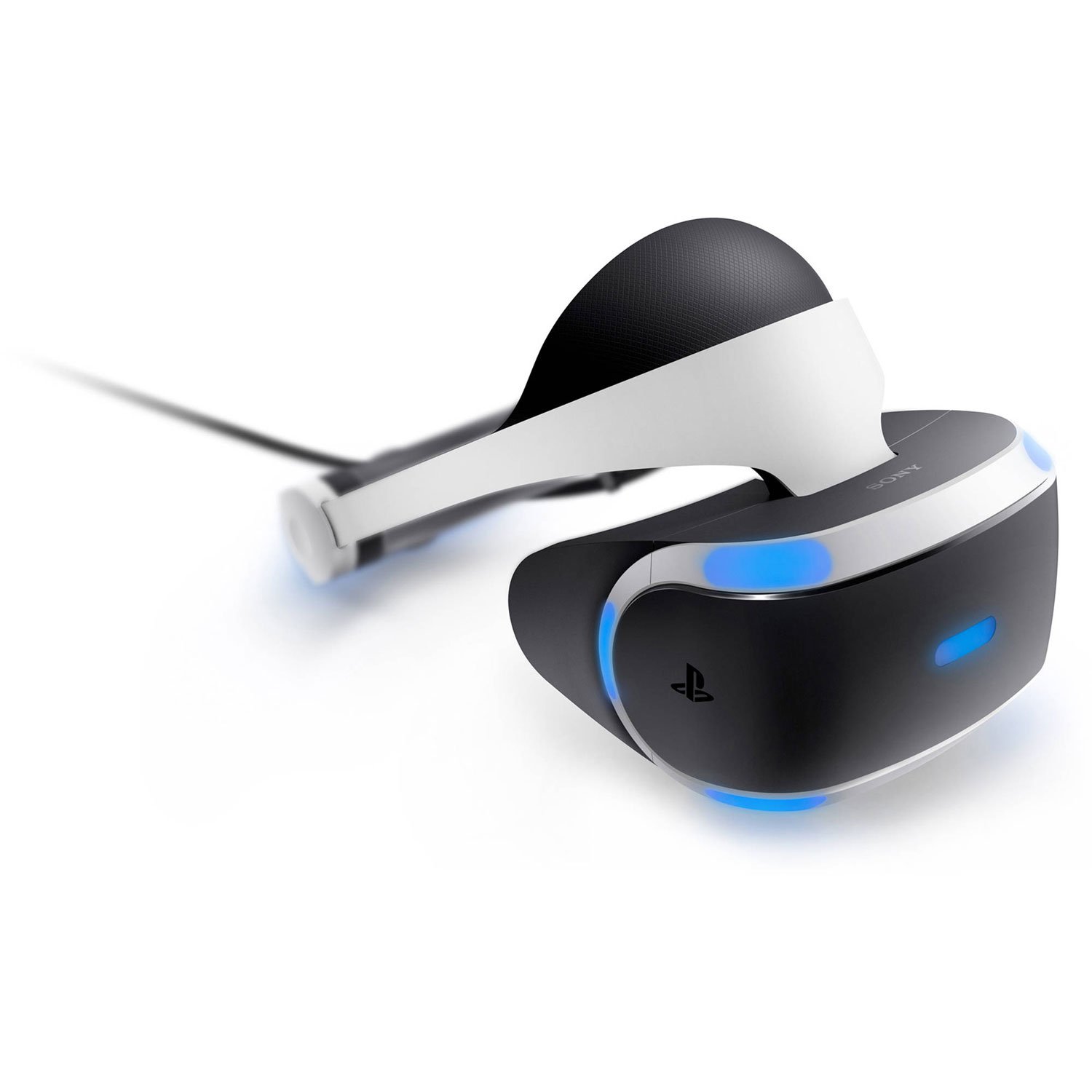
What You Get With the PlayStation VR

The retail package includes the necessary core cabling and interface hardware required to hook the headset into your console setup, though tracking cameras must be acquired independently.
- PlayStation VR headset with adjustable halo headband and visor
- External processor unit for signal routing and social screen management
- PlayStation VR headset connection cable
- High-Speed HDMI cable
- USB interface cable
- Stereo headphones with integrated ear tips
- AC power cord
- AC adaptor for processor unit power supply
- PlayStation VR Demo Disc featuring software samplers
Key Specifications
| Hardware Attribute | Official Specification |
|---|---|
| Display Type | OLED (Organic Light-Emitting Diode) |
| Screen Size | 5.7 inches |
| Display Maximum Resolution | 1920 x 1080 |
| Display Refresh Rate | 120 Hz |
| Field of View | 180 degrees |
| Audio Technology | 3D Audio and Built-In Speakers |
| Connectivity Ports | HDMI and USB |
| Input Method | Button Control |
| Compatible Devices | Game Console (PlayStation 4) |
| Color Finish | Black and White |
Display Performance and Visual Fidelity
Visual immersion in virtual environments depends heavily on panel technology and motion handling. The integrated playstation vr oled display spans 5.7 inches and utilizes organic light-emitting diode technology to present vibrant colors and deep black levels across its 1920 x 1080 resolution canvas. Because each pixel produces its own illumination, high-contrast scenes maintain deep shadows without backlight bleed, helping titles like RIGS Mechanized Combat League and PlayStation VR Worlds establish strong environmental depth during intense play sessions.
Motion responsiveness is another critical pillar of the visual experience, handled here by a playstation vr 120hz refresh rate. By refreshing the image at up to 120 frames per second, the display minimizes motion blur and visual stutter as you scan your environment. This rapid refresh cycle keeps camera pans fluid, which helps reduce visual disorientation during high-speed vehicle maneuvers or rapid head turns.
Optical coverage also plays a decisive role in peripheral awareness. According to the manufacturer listing, the ps vr field of view measures 180 degrees, surrounding the user with visual information across a wide horizontal expanse. Combined with the established play station vr specs, this optical spread ensures that players retain substantial peripheral vision, allowing you to catch environmental movements and interface cues without constantly turning your neck.
Physical Cable Management and Breakout Architecture
Managing the hardware connection process is an essential consideration for anyone maintaining a tidy workspace or entertainment center. A standard ps4 vr headset setup requires routing connections through the standalone playstation vr processor unit, which acts as an intermediate switch between the console, the television display, and the head-mounted visor. This external module receives an HDMI feed and a USB connection from the console, while drawing power from an independent AC adapter and power cord.
Integrating this breakout box into an existing media cabinet introduces multiple physical leads that demand thoughtful desk organization. In addition to the power and console cords, the headset connects to the front of the processor unit via an extended headset connection cable. Content creators and hobbyists who manage multiple accessories, such as a ps5 dual sense dock or capture cards, will need to reserve dedicated surface space and open wall outlets near the television to accommodate this secondary module cleanly.
Operational ergonomics extend to physical tethering during movement. Because the headset remains permanently tethered to the processor box during active play, users must establish a clear boundary within their room to avoid tugging cables. While the included extension cable provides ample reach from the media console to your seating area, remaining mindful of cable positioning is an unavoidable part of managing this tethered virtual reality configuration.
Spatial Audio Architecture and Sensory Direction
Sound design forms half of the immersion equation in virtual reality, and the inclusion of playstation vr 3d audio ensures that sound sources correspond directly to in-game locations. Rather than delivering conventional stereo panning, the internal processing calculates object positions in three-dimensional space. This allows you to perceive whether an explosion originated above your visor, behind your shoulder, or beneath your virtual footing, delivering spatial awareness that assists in fast-paced gameplay.
The hardware provides flexibility in how sound reaches your ears, listing both built-in speakers and bundled stereo headphones within its configuration. Plugging the included stereo headphones into the inline remote ensures clean channel separation and isolates your gameplay from ambient room noise. This acoustic isolation proves valuable for creators recording audio commentary, as it prevents game sound from spilling into sensitive desktop microphones.
Positional audio cues also enhance game intuitiveness by reducing reliance on visual user interface markers. When enemies approach from behind or ambient environmental cues shift, sound location guides your physical head movement toward the threat naturally. This acoustic processing works in tandem with the head tracking to keep audio objects anchored firmly to the virtual world rather than to your ears.
Platform Integration and Workflow Practicality
Evaluating playstation vr compatibility requires acknowledging its focus as a console-first ecosystem. Designed exclusively for use with the PlayStation 4 system, the headset ties directly into Sony console firmware, utilizing native menus, background downloads, and standard PlayStation button control inputs. This dedicated console orientation removes the driver conflicts and software configuration hassles often associated with personal computer headsets, making it a reliable plug-and-play solution.
For content creators and gaming hobbyists, utilizing play station vr for gaming provides a stable video capture pipeline. The processor unit provides a simultaneous social screen video feed to your television via HDMI, allowing capture cards to grab your perspective cleanly while others in the room watch the gameplay unfold. While newer gaming hardware trends toward mobile flexibility like the playstation 5 portable, dedicated console VR prioritizes steady processing performance through anchored living room hardware.
The primary workflow hurdle remains peripheral dependency. Getting into active gameplay requires plugging both the headset and a compatible PlayStation Camera into the PlayStation 4 system. Because the camera is sold separately, newcomers must ensure they acquire the optical sensor before attempting tracking, as the headset cannot establish 3D spatial alignment without camera oversight.
Check PlayStation VR on Amazon
Is the PlayStation VR Worth It
Determining whether is play station vr worth it depends largely on your current console ownership and tolerance for physical cabling. If you already own a PlayStation 4 and want an established library of immersive software without investing in an expensive computer tower, this headset provides an accessible and capable entry point. Its responsive OLED screen, 120Hz refresh rate, and refined spatial audio deliver compelling virtual worlds that showcase what console-driven immersion can achieve.
On the other hand, users seeking a completely wireless or minimalist desk workflow may find the extensive cable harness and external processor unit cumbersome. The requirement to purchase a PlayStation Camera separately adds an extra step to the procurement process, and managing the multi-cord harness requires deliberate space planning in shared living rooms or compact creator studios.
Ultimately, the system represents solid value for dedicated PlayStation enthusiasts who want plug-and-play simplicity backed by a deep catalog of virtual titles. As long as you have the desk space for the processor unit and don’t mind managing tethered cables, it stands as an engaging way to transform console gaming into an encompassing physical experience.
FAQ
Does the PlayStation VR package include the PlayStation Camera?
No, the listing specifies that the PlayStation Camera is sold separately. You must acquire the camera independently, as it is required to track the headset’s physical position in your room during play sessions.
What type of display is used in the PlayStation VR headset?
The headset features a 5.7-inch OLED display with a resolution of 1920 x 1080. This panel provides vibrant color reproduction, deep black levels, and an expansive 180-degree field of view.
What refresh rate does the PlayStation VR display support?
The display operates at refresh rates up to 120Hz, presenting up to 120 frames per second. This high frame rate keeps fast movements smooth and helps minimize visual discomfort during motion-heavy gameplay.
What role does the processor unit play in the setup?
The external processor unit handles signal communication between the console, television, and headset. It manages the 3D audio processing and routes the HDMI video signal so that spectators can watch gameplay on the television while you play.
Does the PlayStation VR require a personal computer to operate?
No, the headset is designed specifically for console VR compatibility with the PlayStation 4 system. It connects directly to the console via HDMI and USB cables rather than relying on computer hardware.


