As Amazon Associates, we earn from qualifying purchases. This means we may receive a small commission at no extra cost to you if you click through and make a purchase.
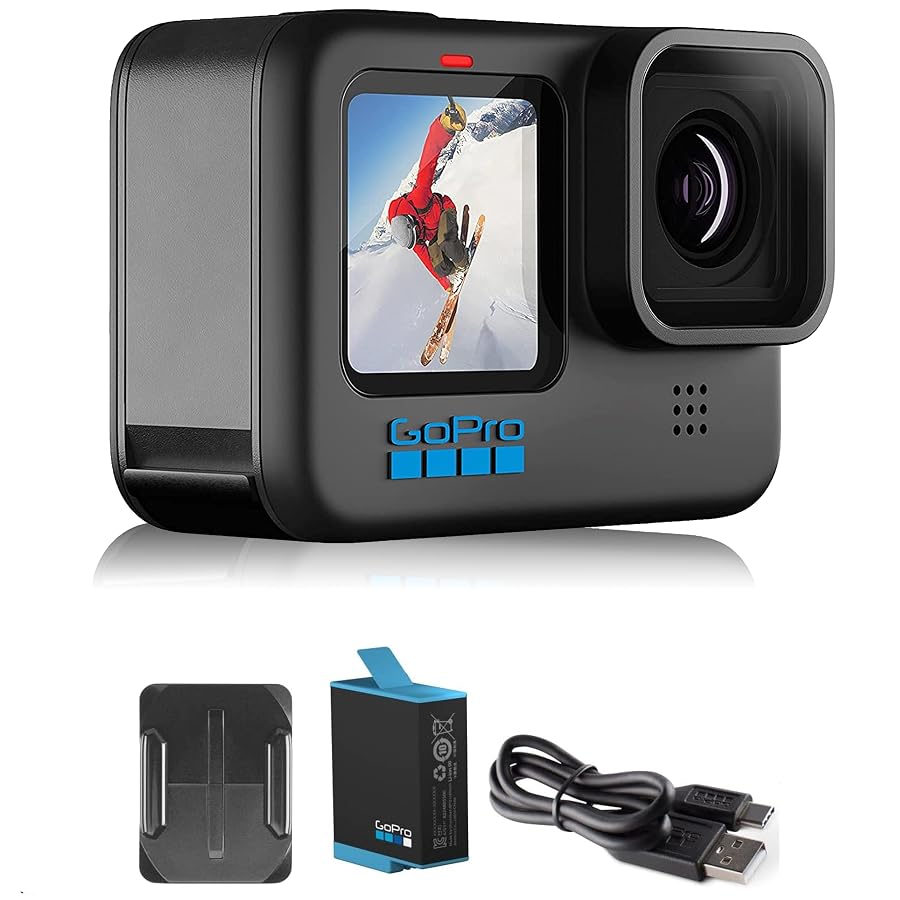
The GoPro HERO10 Black marks a decisive evolutionary step for outdoor videographers, vloggers, and content creators who require swift hardware response, higher frame rates, and rugged reliability. If you are deciding whether this camera fits your workflow, the primary justification rests in its upgraded core processing. The inclusion of the GP2 processor directly remedies the interface lag and frame rate ceilings that constrained earlier hardware generations. Filming sports, dynamic travel scenes, or daily video logs at 5.3K resolution at 60 frames per second provides immediate visual polish. Creators upgrading from older devices like the go pro hero 8 will quickly appreciate the snappy user experience and superior dual-screen body design.
This review breaks down how the camera handles genuine creator workflows, evaluating the real-world utility of its updated system architecture, 5.3K video fidelity, and HyperSmooth 4.0 stabilization. We examine the practical benefits of the front-facing color display, assess battery life expectations under heavy processing loads, review the water-shedding lens cover, and walk through wired, wireless, and cloud media ingestion methods. By focusing on confirmed technical specifications and honest operational trade-offs, this guide will help you determine whether this action camera fits your production needs or whether an alternative gear setup serves your creative objectives better.

What You Get With the GoPro HERO10 Black
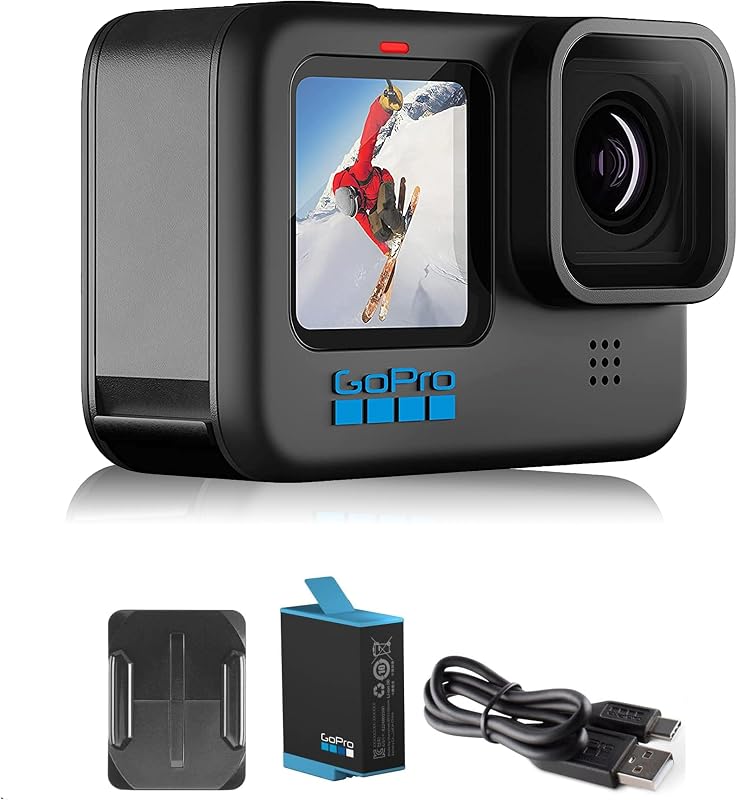
The GoPro HERO10 Black comes packaged in e-commerce packaging configured with the foundational items necessary to begin shooting immediately. The camera features integrated folding mounting prongs built directly into the base of its chassis, eliminating the need to carry an external mounting frame.
- GoPro HERO10 Black camera featuring a front LCD framing screen and rear touch display
- One standard rechargeable lithium-ion battery
- Protective hydrophobic lens cover engineered to shed surface water
- Built-in folding mounting fingers integrated into the camera body base
- USB cable for camera charging and direct wired file transfer
- Direct support for wireless transfers and automated cloud backups via the Quik app
Key Specifications
| Specification Attribute | Listing Detail |
|---|---|
| Image Sensor Architecture | CMOS sensor |
| Still Photo Output | 23 megapixels (plus 15.8MP video frame grabs) |
| Maximum Video Capture Resolution | 5.3K Ultra HD at 60 frames per second |
| High-Speed Slow-Motion Capture | 8x slow motion at 2.7K resolution |
| System Processing Architecture | GoPro GP2 system-on-chip engine |
| Video Stabilization | HyperSmooth 4.0 with higher-tilt horizon leveling |
| Water Resistance Level | Waterproof and submersible handheld construction |
| Battery Runtime Rating | 83 minutes average life (1 Lithium Ion battery included) |
| Physical Form Factor and Weight | 1.32 inches deep by 2.83 inches wide by 2.00 inches high; 11.2 ounces |
| Optics and Lens Specifications | Prime lens system; 15.1mm to 30mm focal length; f/2 maximum aperture |
Real-World Performance of the GP2 Processor
The custom GP2 system-on-a-chip represents the most important architectural upgrade inside the camera, directly transforming the daily shooting experience. Older action camera models often exhibited slight menu delays, sluggish touch responsiveness, and hesitant preset switching, especially when working in rapid-fire shooting conditions. The gopro hero10 gp2 processor doubles overall processing throughput, turning the rear touch screen into a responsive interface that reacts immediately to gestures, taps, and mode changes. This quick responsiveness ensures that you spend less time wrestling with menus and more time filming spontaneous action.
Beyond interface agility, the GP2 chip delivers the computational muscle required to process high-bitrate video streams without dropping frames. Encoding 5.3K resolution at 60 frames per second generates immense amounts of digital data every second. The GP2 chip handles this heavy computational load easily, running real-time video stabilization algorithms, tone adjustments, and audio compression simultaneously. This elevated processing headroom also powers the front LCD screen, ensuring a smooth, low-latency live preview feed that lets solo presenters frame their shots accurately without distracting lag.
Examining the overall gopro hero10 black specs shows that the GP2 engine also speeds up media handling and device connectivity. Generating video thumbnails, reviewing recorded clips on the rear display, and executing wired USB transfers require significant processing power. By eliminating hardware bottlenecks, the processor ensures that the entire operational experience feels modern, reliable, and fluid, creating a dependable foundation for creators who film across fast-paced environments.
Stabilization and Framing With HyperSmooth 4.0
Action footage relies heavily on stabilization quality, and the integration of gopro hero10 hypersmooth 4.0 sets a high standard across all recording modes. Intense activities like trail running, downhill mountain biking, and water sports inherently create violent shocks, sharp jolts, and sudden camera rotations. HyperSmooth 4.0 analyzes continuous sensor telemetry, predicting erratic camera trajectories and applying real-time digital corrections across the CMOS sensor. The resulting footage exhibits a smooth, steady glide that previously required heavy motorized handheld gimbals to produce.
A major functional upgrade within this stabilization system is the expanded horizon leveling feature, which provides a significantly higher tilt limit than the leveling found on the gopro hero 9. When the camera is mounted to a vehicle, helmet, or chest harness, high-speed banking and body movement naturally tilt the camera frame. The upgraded horizon leveling actively preserves a level horizontal plane through steep banking angles, keeping your video aligned without jarring horizon tilts. This feature reduces post-production editing time by removing the need for manual rotation fixes.
HyperSmooth 4.0 also maintains consistent video stabilization without warping the edges of your frame or degrading image sharpness. The algorithm operates seamlessly across high-resolution capture modes, allowing shooters to record at 5.3K without sacrificing stability. Paired with the camera’s water-shedding hydrophobic lens cover, which repels moisture droplets during aquatic shooting, the stabilization setup ensures clear, professional, and level video in conditions that would compromise standard camera setups.
Visual Fidelity in High-Resolution and Variable Lighting
The visual output of the camera is led by hero10 5.3k video quality, providing a 91 percent increase in resolution over standard 4K footage and over 600 percent more detail than standard 1080p high definition. This elevated pixel density captures realistic textures, fine background details, and crisp outlines with remarkable clarity. For video editors, recording master clips in 5.3K allows substantial flexibility during post-production; you can crop in, re-frame shots, or create smooth digital camera pans on a 4K project timeline without losing image crispness or introducing soft pixels.
Still photography is equally versatile, thanks to the CMOS sensor’s ability to record standalone 23-megapixel photos with natural color fidelity and rich contrast. Content creators who need still assets from high-speed action can pull sharp 15.8-megapixel still frame grabs directly from recorded 5.3K video sequences. When dramatic slow-motion documentation is needed, the camera features an 8x slow-motion mode recorded at 2.7K resolution. This high-frame-rate setting captures rapid sports action, dynamic splashes, and fast stunts with superior clarity compared to lower-resolution slow-motion modes.
In challenging ambient environments, the camera uses updated image processing to enhance gopro hero10 low light performance compared to older hardware. Action camera sensors face physical limitations in low light due to their compact surface area, which can cause digital noise in deep shadows. The GP2 processor combats this with refined 3D noise reduction and local tone mapping, preserving clearer shadow detail and cleaner color gradients during dawn, dusk, or overcast filming. While it cannot match large mirrorless sensors in total darkness, it noticeably expands usable shooting hours in dim outdoor light.
Workflow Considerations for Vlogging and Daily Creators
Looking at the gopro hero10 for vlogging reveals design choices specifically tailored to solo presenters and mobile videographers. The integrated front-facing LCD screen makes framing up on-camera speaking segments straightforward, allowing creators to check their eye-line and composition without an external monitor. Measuring 1.32 inches deep by 2.83 inches wide by 2.00 inches high and weighing 11.2 ounces, the handheld camera attaches easily to compact desktop tripods, selfie poles, and backpack straps, making it an unobtrusive tool for all-day travel vlogging.
Battery longevity remains an essential consideration for planning field shoots, making the gopro hero10 battery life an important factor. The manufacturer specifications indicate an average battery life rating of 83 minutes under standard recording conditions using the included lithium-ion battery. However, continuous recording in intensive modes like 5.3K at 60fps with full HyperSmooth stabilization engages heavy processor demands that deplete power reserves more rapidly. Creators planning long shooting sessions should carry spare batteries or connect an external power bank via the USB port to avoid unexpected interruptions in the field.
The broader gopro hero10 workflow also benefits from versatile file transfer options that simplify moving media to editing suites. The camera supports wireless offloading through the Quik mobile app via Bluetooth and Wi-Fi, as well as rapid wired USB connections directly to smartphones and computers for fast data transfers. If you maintain a cloud subscription, the camera can automatically upload new footage when connected to power. While filmmakers exploring newer cameras like the gopro hero 12 will find further refinements, the HERO10 Black established the streamlined data ingestion system modern creators rely on daily.
Check GoPro HERO10 Black on Amazon
Is the GoPro HERO10 Black Worth It
Determining whether the gopro hero10 worth it depends primarily on your current camera setup and the technical demands of your creative projects. For action sports enthusiasts, vloggers, and adventure filmmakers upgrading from older gear, the combination of the GP2 processor, 5.3K60 capture, and HyperSmooth 4.0 stabilization represents a major leap forward in operational fluidity and video quality. Eliminating interface lag and adding reliable high-tilt horizon leveling removes the biggest frustrations of earlier models, allowing you to focus on capturing engaging footage.
For casual users who only record quick social media videos at 1080p, the processing horsepower and high-bitrate modes of this camera may exceed everyday requirements. However, having access to 23-megapixel still photos, 8x slow motion at 2.7K, and 15.8-megapixel video frame grabs provides excellent future-proofing for your media library. The naturally waterproof and submersible design also ensures complete durability in surf, snow, and rain without requiring bulky add-on dive cases that complicate audio capture and handling.
Overall, the GoPro HERO10 Black remains a dependable, versatile, and tough tool for anyone who requires high-fidelity video stabilization and rapid file offloading in a pocket-sized package. While high-resolution recording requires thoughtful battery management and spare power reserves on full-day shoots, the balance of processing speed, dual-screen convenience, and durable construction makes it an excellent, long-term investment for active content creators.
FAQ
Does the GoPro HERO10 Black require a waterproof housing for underwater filming?
No, the GoPro HERO10 Black features a waterproof and submersible body straight out of the box without requiring a separate protective housing. Its durable exterior protects internal electronics from water damage during swimming, surfing, or rainy shoots, while the hydrophobic lens cover sheds water droplets to keep your image clear.
How does the GP2 processor improve everyday camera operation?
The GP2 processor doubles the system performance compared to older models, enabling 5.3K capture at 60 frames per second alongside responsive touch screen navigation. It eliminates interface lag, speeds up camera startup, improves media playback scrubbing, and powers real-time HyperSmooth 4.0 stabilization.
Can you capture high-resolution still images from recorded video files?
Yes, the camera allows you to extract 15.8-megapixel still frame grabs directly from 5.3K video footage. This feature lets you film continuous high-speed action and later select perfectly timed, high-resolution still photos for social media thumbnails or print use without pausing to take separate photos.
What options are available for transferring video files from the camera?
The camera supports multiple file transfer methods, including wireless transfers via Bluetooth and Wi-Fi using the GoPro Quik app, rapid wired USB connections to phones and computers, and automatic cloud backups when the camera is plugged into a charger with an active subscription.
What slow-motion video capabilities does the camera provide?
The GoPro HERO10 Black supports up to 8x slow-motion video recording when shooting at 2.7K resolution. This high-frame-rate setting lets you slow down fast sports action, water splashes, and stunts to one-eighth of normal speed while preserving crisp resolution and smooth motion playback.


