As Amazon Associates, we earn from qualifying purchases. This means we may receive a small commission at no extra cost to you if you click through and make a purchase.
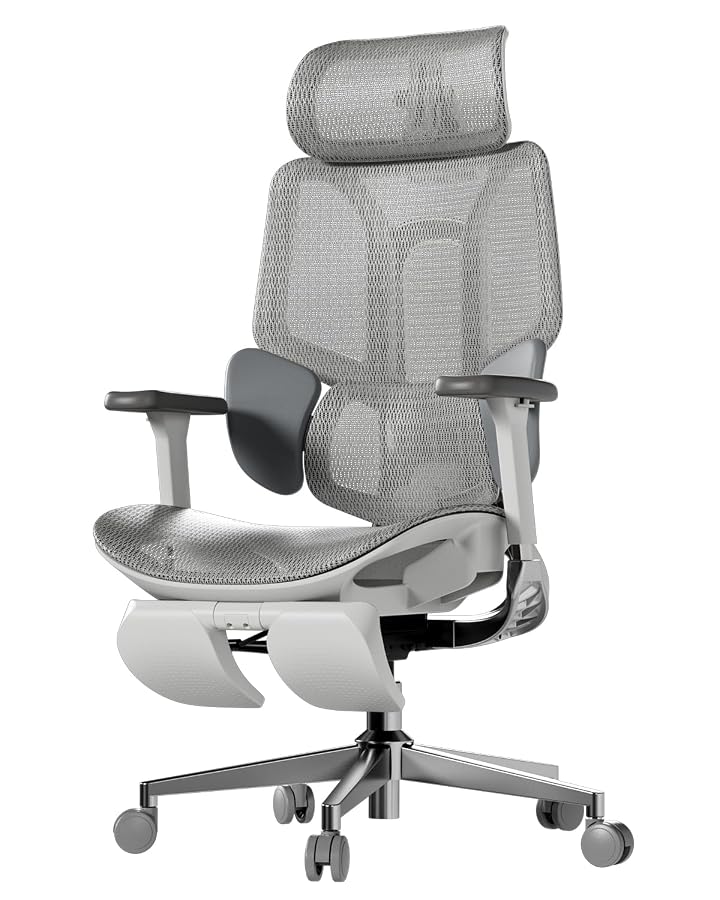
Long editing sessions and creative studio marathons demand seating that continuously stabilizes posture without restricting movement. The Hbada E3 Air addresses this physical demand with an advanced three-zone dynamic lumbar system, a nine-position backrest, and versatile 4D armrests designed to prevent upper body strain. If you are deciding whether this ergonomic chair fits your creative workspace, the short answer is that it excels for creators who want active, mechanical support during long stretches at a desk, especially those dealing with lower back and neck tension. The combination of a breathable mesh back and a supportive sponge cushion provides a balanced foundation for intensive computer work.
In this comprehensive Hbada E3 Air review, we look closely at how the chair performs across key studio workflow tasks, evaluating its mechanical adjustments, cushion composition, and ergonomic tracking capabilities. From its biaxial headrest to its eight-way lumbar mechanism, we break down every technical specification to help you determine if this model delivers the durability and comfort needed for your daily creative routine.
What You Get With the Hbada E3 Air
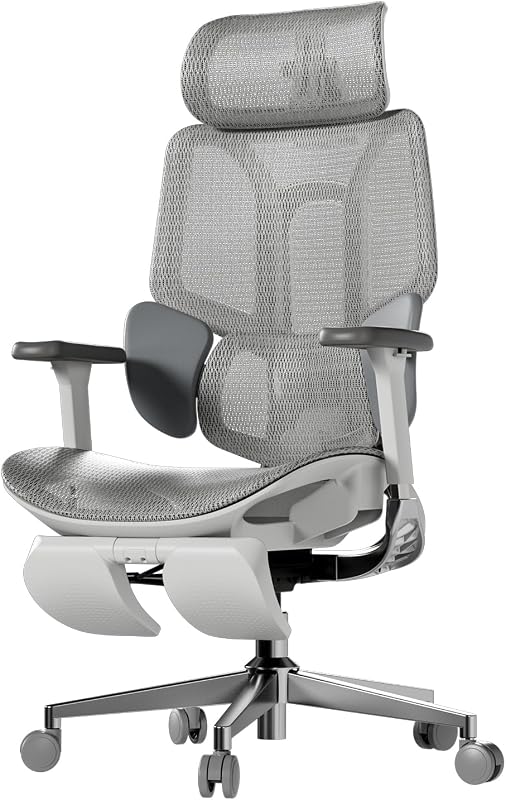
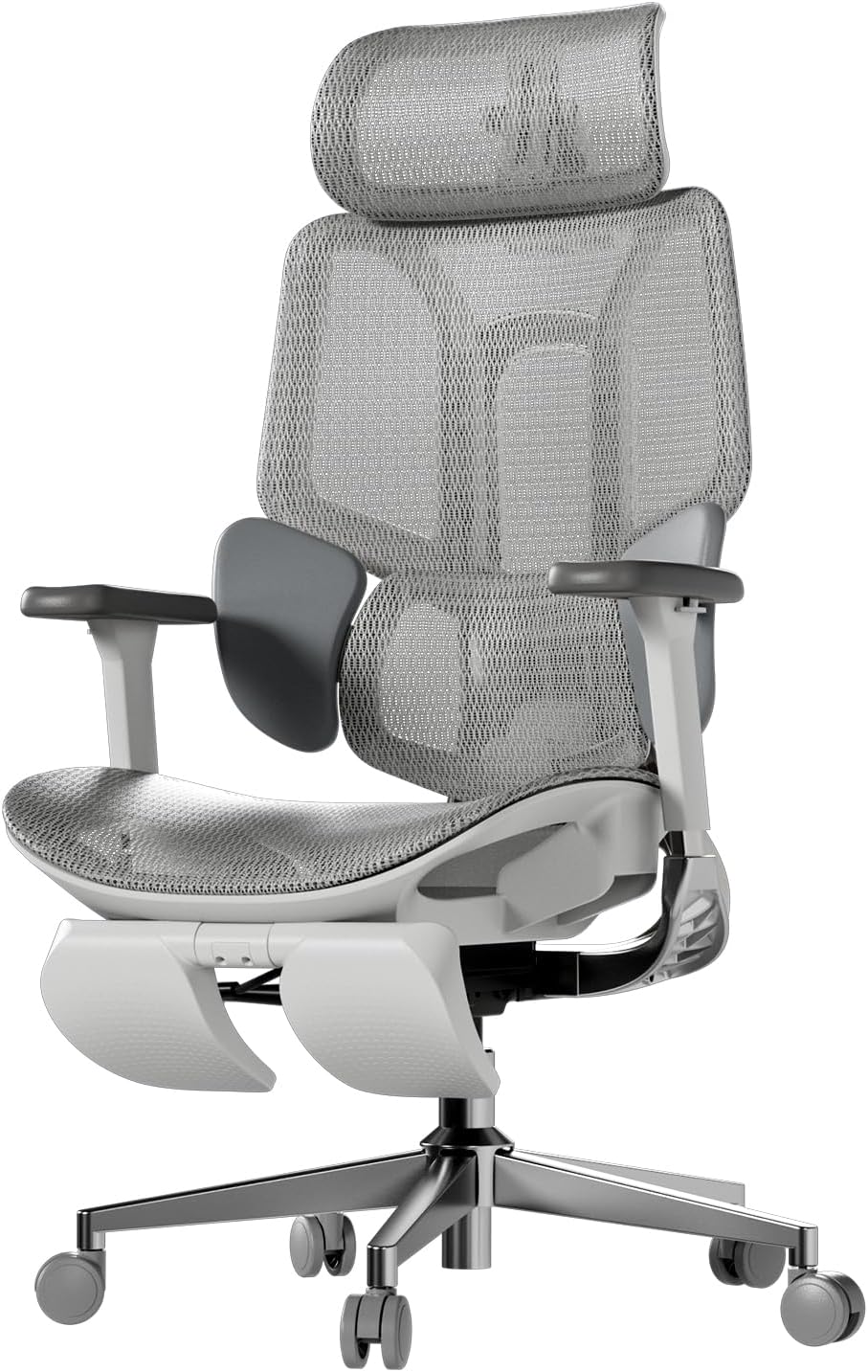
The Hbada E3 Air arrives as a modular adult indoor task seating system, supplied with all essential hardware and components needed to assemble the complete chair. Based on the manufacturer data, the package contains the following primary elements:
- Polypropylene structural frame finished in solid contemporary ash gray
- Breathable mesh backrest assembly engineered for airflow
- Nine-position liftable backrest mechanism to adjust vertical thoracic support
- Three-zone dynamic elastic lumbar support system with dual pivoting wings
- 3D biaxial adjustable headrest with dual-axis 70-degree rotational adjustment
- Set of 4D adjustable armrests providing four-directional positioning
- High-density sponge cushion seat base with adjustable seat depth travel
- Reclining chassis mechanism equipped with rolling caster wheels
Key Specifications
| Feature | Specification |
|---|---|
| Brand | Hbada |
| Model | Hbada E3 Air |
| Backrest Material | Breathable Mesh |
| Seat Cushion Material | Sponge Fill with Fabric Upholstery |
| Frame Material | Polypropylene |
| Lumbar Adjustment | 3-Zone Dynamic Elastic Support with 8-way adjustment (40° wing rotation, 1″ depth, 1.6″ height, 14° dynamic rotation) |
| Headrest Adjustability | 3D Biaxial Headrest (70° dual-axis rotation, 1.8″ height adjustment) |
| Armrest Adjustability | 4D Adjustable (2.8″ height, 1.97″ front-to-back, width, and swivel) |
| Seat Depth Travel | 1.97 inches forward and back |
| Backrest Height Travel | Nine-position liftable vertical adjustment |
| Form Factor & Base | Recliner with multi-surface caster wheels |
| Color | Ash Gray |
Three-Zone Dynamic Lumbar Tracking and Spinal Alignment
The defining mechanical feature of the Hbada E3 Air is its three-zone elastic lumbar support system, which takes an active approach to lower back stabilization. Rather than relying on a static plastic pad or a basic foam block, this system employs dual floating wings that rotate 40 degrees internally and externally to wrap around the lower waist. The entire lumbar module provides eight-way adjustability, including 1 inch of front-and-back depth travel and 1.6 inches of vertical adjustment, alongside a 14-degree dynamic tilt range. This degree of articulation ensures that whether you are leaning forward to scrub through an audio waveform or reclining slightly during color grading, the lumbar wings track the curve of your lordotic spine. Creators upgrading from standard office chairs will notice how this compares to dedicated solutions like the Hbada E3 ergonomic chair, offering precise contact across varying sitting angles.
Complementing the lower wings is the integrated T-Shape support system, engineered by the manufacturer to alleviate postural discomfort across three primary body zones: the neck, waist, and shoulders. Extended studio sessions frequently lead to rounded shoulders and cervical spine strain when a chair fails to accommodate upper back height. The Hbada E3 Air addresses this with a nine-position liftable backrest that allows users of differing torso lengths to align the thoracic curve accurately. By lifting the backrest, you shift the entire upper framework so the shoulder contour cradles the scapular region without forcing your upper body into unnatural extension.
During long video editing marathons, constant seated posture shifts can cause traditional lumbar pads to slide out of position or press uncomfortably into the lower vertebrae. Because the E3 Air utilizes an elastic suspension design, the lumbar wings yield under firm pressure while continuing to provide continuous forward resistance. This dynamic response encourages active sitting, reducing the fatigue associated with static posture locks. For digital creators who spend countless hours locked into tight delivery schedules, having consistent lumbar tracking prevents the slumping habit that leads to cumulative back discomfort.
Armrest Movement and Headrest Positioning for Studio Setups
Precision input devices like video editing color wheels, audio fader consoles, graphic tablets, and mechanical keyboards require customizable forearm support. The 4D adjustable armrests on the Hbada E3 Air provide four distinct axes of motion: 2.8 inches of vertical height adjustment, 1.97 inches of forward-and-backward depth travel, lateral width movement, and angular swivel. This comprehensive mobility allows editors to set the armrests flush with desk surfaces or drop them low enough to tuck beneath keyboard trays. By dialing in the arm height, your forearms remain parallel to your work surface, eliminating the shoulder shrugging that commonly leads to trapezius stiffness.
Neck and cervical support are managed by the biaxial 3D headrest, which offers dual-axis 70-degree rotation along with 1.8 inches of vertical travel. Traditional headrests often feature only single-axis tilting, which can force the head forward into an unnatural posture or fail to reach the base of the skull. The Hbada ergonomic office chair 3d headrest moves on two separate pivot points, enabling you to nestle the support curve directly beneath the occipital ridge. When switching between intense timeline editing and reclining to review a finalized video cut, the headrest maintains contact without shoving your head forward. Creators considering modern ergonomic chairs like the Sihoo Doro C300 Pro V2 ergonomic office chair will appreciate how this dual-axis mechanism accommodates varying neck angles during monitor-heavy work.
The mechanical interaction between the headrest, armrests, and reclining chassis creates a seamless transition between focus modes and rest intervals. When you lean back into the recliner mechanism to take notes, audition vocal tracks, or relax between rendering passes, the armrests remain positioned to support your elbows, while the headrest cradles the cervical spine. This level of synchronization minimizes abrupt posture shifts, helping editors maintain a productive workflow rhythm even during long production days.
Seat Cushion Comfort and Temperature Regulation
Seating comfort during extended editing runs hinges on how well a chair manages pressure distribution and heat dissipation. The Hbada E3 Air utilizes a hybrid design approach, pairing a high-tension breathable mesh back with a dense sponge cushion seat. Mesh backrests excel in studio setups because they maintain constant airflow, preventing heat buildup across the back during summer days or under warm studio lights. Meanwhile, the seat pan relies on high-density sponge padding rather than a taut mesh suspension, which eliminates the hard outer frame pressure that can pinch the thighs on all-mesh chairs.
To ensure proper lower body ergonomics for diverse body heights, the chair incorporates a 1.97-inch seat depth adjustment mechanism. Setting seat depth correctly is vital for maintaining blood circulation in the legs during sedentary desk sessions. If a seat is too deep, the front edge compresses the back of the knees, restricting blood flow; if it is too shallow, the thighs lack adequate surface area to distribute body weight evenly. With nearly two inches of horizontal sliding travel, users can position the front waterfall edge of the sponge cushion exactly two to three fingers away from their popliteal crease, ensuring healthy circulation through hours of continuous cutting.
In studio environments where ambient noise and climate control are critical factors, material choices significantly influence overall comfort. Unlike heavy leather or vinyl executive seating such as the Serta Smart Layers Brinkley executive chair, which can trap body heat and generate friction noise against clothing, the breathable mesh and resilient sponge upholstery of the Hbada E3 Air remain cool and quiet. The solid ash gray fabric resists heat accumulation, making it well suited for video creators working in small, enclosed editing suites where ventilation is limited.
Daily Adjustability and Assembly in a Working Space
Integrating new studio furniture requires straightforward adjustability that does not interrupt daily productivity. The Hbada E3 Air assembly and comfort experience is designed around user-friendly mechanical components mounted to a sturdy polypropylene chassis. The package arrives with all primary assemblies categorized for straightforward indoor assembly, allowing solitary creators or home studio operators to complete the setup process without requiring specialized mechanical tools. Once assembled, the ash gray finish and clean contemporary profile blend neatly into modern camera-ready video backdrops.
Mastering the various adjustments on the chair is essential to unlocking its full ergonomic benefits. The nine-position liftable backrest operates via a vertical ratcheting system, letting you lift the back frame click-by-click until it matches your spinal height, resetting to the lowest position when pulled past the top notch. Tuning the eight-way lumbar mechanism involves dialing in both the inward depth and wing rotation so the dynamic pads support your lower back without pushing your hips forward. When properly calibrated alongside the 1.97-inch seat depth, the chair establishes a structured posture baseline that helps you resist the tendency to slouch over a digital mixing console or editing keyboard.
For creators who share studio space or frequently move between multiple editing desks, the smooth-rolling caster wheels provide reliable mobility across indoor flooring. The contemporary polypropylene frame balances structural rigidity with manageable weight, making the chair easy to reposition when adjusting camera tripod angles or moving away from a desk to record voiceover tracks. While alternative ergonomic seating solutions like the 3D ergonomics chair by Inbox Zero prioritize distinct structural layouts, the Hbada E3 Air focuses specifically on providing extensive micro-adjustments that accommodate a wide spectrum of creative tasks.
Is the Hbada E3 Air Worth It
When evaluating whether the Hbada E3 Air is worth it for your creative setup, the primary consideration is how much you value mechanical posture customization over passive softness. If your workday involves hours of detailed digital work—such as timeline trimming, audio post-production, color grading, or 3D modeling—this chair provides the targeted spinal reinforcement needed to mitigate physical fatigue. Its three-zone dynamic lumbar wings, nine-step backrest height adjustment, and fully articulating 4D armrests make it an exceptional tool for creators who suffer from lower back stiffness and demand active postural support.
Conversely, this model may not be the ideal match for individuals who prefer ultra-plush, cloud-like executive seating with deeply pillowed surfaces. The Hbada E3 Air is an ergonomic task chair with a purposeful, supportive sponge cushion and a highly structured lumbar frame designed to enforce spinal alignment rather than let you sink completely into a relaxed slouch. Those looking for a casual lounge chair for media consumption will find the firm lumbar wings and mechanical posture framing more authoritative than a traditional relaxed recliner.
For dedicated vloggers, editors, and home-office professionals, the Hbada E3 Air represents an intelligent workstation investment that addresses the root causes of desk fatigue. By integrating multi-dimensional adjustability across every major body contact point—from cervical vertebrae to the forearms and thighs—it delivers the ergonomic versatility necessary to power through demanding production cycles in comfort.
FAQ
How does the Hbada E3 Air lumbar support adjust?
The three-zone elastic lumbar support features an eight-way adjustment mechanism. The left and right floating wings rotate 40 degrees internally and externally to cup the sides of the lower back, while the unit can be adjusted forward and backward by 1 inch, moved vertically by 1.6 inches, and provides 14 degrees of dynamic rotational tilt during daily movement.
What adjustment ranges do the 4D armrests offer?
The 4D armrests on the Hbada E3 Air adjust in four directions to fit your workstation setup. They provide 2.8 inches of vertical height travel, 1.97 inches of forward-and-backward depth adjustment, lateral horizontal movement for width, and angular rotation to support various forearm angles when typing or editing.
Can the seat depth on the Hbada E3 Air desk chair be customized?
Yes, the Hbada E3 Air desk chair includes a dedicated seat depth adjustment mechanism offering 1.97 inches of horizontal travel. This allows users of different leg lengths to position the front edge of the sponge cushion comfortably behind the knees to maintain proper leg circulation.
What makes the 3D headrest suitable for long editing sessions?
The 3D biaxial headrest utilizes a dual-axis pivot system capable of 70 degrees of rotation alongside 1.8 inches of vertical height adjustment. This dual-axis motion allows creators to position the curve precisely beneath the base of the skull, maintaining cervical spine support whether sitting upright during editing or leaning back to review footage.
What materials are used to construct the Hbada E3 Air?
The chair features a durable polypropylene structural frame finished in solid ash gray. The backrest is upholstered in high-tension breathable mesh for maximum airflow, while the seat cushion utilizes a breathable, high-density sponge filling that delivers supportive pressure relief for extended sitting marathons.