As Amazon Associates, we earn from qualifying purchases. This means we may receive a small commission at no extra cost to you if you click through and make a purchase.
Evaluating audio gear for a creator workstation or personal listening space requires balancing tonal accuracy, dispersion, and physical integration. The KEF Q3 Meta bookshelf speakers are engineered for listeners who demand an expansive, cohesive soundstage without being locked into a rigid acoustic sweet spot. By combining KEF’s twelfth-generation Uni-Q point-source driver array with Metamaterial Absorption Technology, these passive stereo monitors aim to deliver balanced, natural audio for video editing, audio post-production, and critical playback. If you are deciding whether this pair fits your desk or room, understanding how its single point source mechanics and acoustic absorption perform in everyday creative workflows is essential before making an investment.
Choosing the right monitor setup means assessing amplification needs, physical footprint, and driver capabilities rather than relying on marketing claims. In this comprehensive KEF Q3 Meta review, we examine the documented specifications, cabinet construction, driver architecture, and signal crossover optimization that define these bookshelf speakers. We also cover practical placement considerations, amplification requirements via standard speaker wire connections, and how they integrate into creative environments. The following sections walk through the included hardware, technical data, workspace usability, and overall value to help you determine if this model fits your production space.
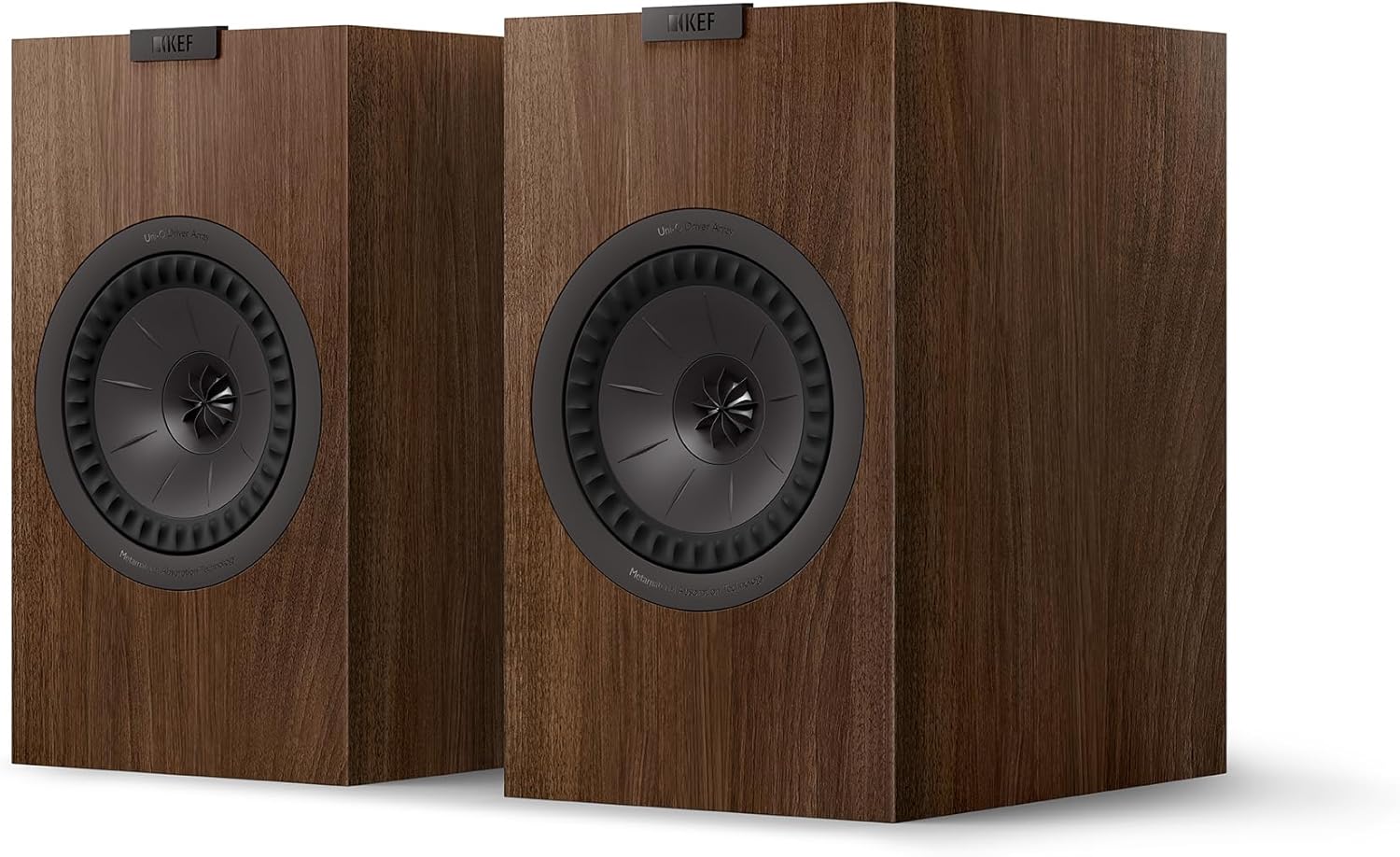
What You Get With the KEF Q3 Meta

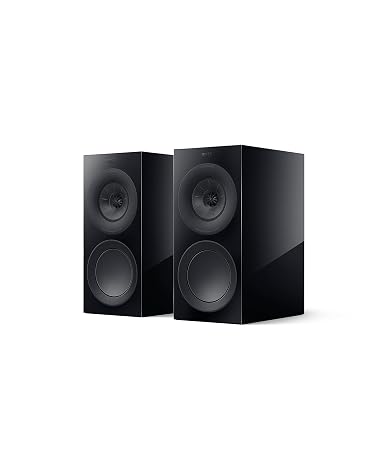
The KEF Q3 Meta bookshelf speakers arrive as a stereo pair designed for stand, shelf, or tabletop placement, finished in a clean aesthetic that complements modern production desks and studio consoles. Each speaker incorporates high-performance passive acoustic engineering backed by bespoke driver dampening and refined internal signal paths.
- Stereo pair of KEF Q3 Meta bookshelf speakers
- 12th Generation Uni-Q point-source driver array for even dispersion
- Integrated Metamaterial Absorption Technology absorbing 99% of rear driver noise
- Refined internal crossover network developed through over 1,000 individual measurements
- Complementary colour-matched protective speaker grilles
- Contemporary minimalist cabinet with satin finish available in Satin Black, Satin White, or Walnut
- Standard speaker wire binding posts for stereo amplification
Key Specifications
| Attribute | Detail |
|---|---|
| Brand | KEF |
| Driver Architecture | 12th Generation Uni-Q point source array |
| Acoustic Absorption | Metamaterial Absorption Technology (99% rear driver noise absorption) |
| Speaker Maximum Output Power | 150 watts |
| Frequency Response | 20 KHz |
| Connectivity Technology | Speaker Wire |
| Audio Output Mode | Stereo |
| Available Finishes | Satin Black, Satin White, Walnut |
| Included Accessories | Colour-matched protective grilles |
| Cabinet Dimensions and Weight | The listing does not specify |
Soundstage Precision and Uni-Q Driver Dispersion
In content creation, video editing, and audio mastering, traditional multi-way speakers often suffer from acoustic lobing where the tweeter and woofer outputs interfere with one another off-axis. The KEF Q3 Meta bookshelf speakers address this acoustic challenge directly through KEF’s 12th Generation Uni-Q driver array. By positioning the high-frequency tweeter directly at the acoustic center of the mid-bass cone, the assembly acts as a single point source. This physical arrangement allows sound waves across critical monitoring bands to emanate from the exact same focal origin in space, creating an exceptionally stable and cohesive stereo image.
For editors working across multi-monitor setups, a wide and uniform dispersion pattern is vital. Creators frequently shift between digital audio workstations, color-grading monitors, and script notes, meaning listening positions are rarely locked in a static point. The KEF Q3 Meta soundstage maintains tonal consistency across a broad horizontal and vertical listening window, reducing the frequency shifts that occur when moving around a desk. If you need a more compact alternative for extremely tight desk corners, checking out the KEF Q1 Meta can provide similar point-source characteristics in a smaller footprint.
The even dispersion generated by the point-source geometry also prevents harsh early reflections from skewing your monitoring decisions. In creative rooms that lack full acoustic treatment, traditional speakers can project uneven energy off side walls and desk surfaces, smearing vocal dialogue and stereo panning cues. The Uni-Q array delivers a controlled acoustic output that distributes sound evenly into the room, enabling accurate decisions regarding audio track panning, EQ adjustments, and background noise cleanup during post-production sessions.
Metamaterial Absorption Technology and Distortion Control
Achieving clean high-frequency performance in high-output monitoring environments requires managing the acoustic energy generated behind the tweeter dome. The KEF Q3 Meta metamaterial absorption technology incorporates a specialized synthetic structure behind the 12th generation driver designed to capture and neutralize unwanted acoustic resonances. According to the manufacturer data, this maze-like acoustic structure absorbs 99% of the unwanted backward noise from the rear of the driver, preventing stray resonances from bouncing back into the diaphragm and coloring the forward sound.
In practice, this level of rear-wave attenuation translates to purer, more natural high frequencies that remain fatigue-free across long editing timelines. High-frequency distortion often causes ear fatigue during video cutting, audio editing, and podcast mixing, causing editors to incorrectly pull back high frequencies or misjudge vocal sibilance. By eliminating 99% of rear-directed acoustic reflections, the speaker preserves high-end clarity and vocal transparency without introducing synthetic edge or harshness.
This precision acoustic damping works in direct tandem with the refined crossover network inside the cabinet. KEF applies more than 1,000 specific measurements to each model during development to ensure smooth, phase-aligned handover across frequencies. For those evaluating ultra-high-end three-way studio setups, the step up to the KEF R3 Meta illustrates how this same absorption technology scales into larger multi-driver configurations, though the Q3 Meta delivers the core absorption benefits in a streamlined two-way bookshelf design.
Amplifier Matching and Stereo Setup Requirements
A primary consideration when evaluating the KEF Q3 Meta for studio editing or home listening is that these are passive bookshelf speakers. Unlike active studio monitors that feature internal power supplies, digital-to-analog converters, and volume knobs, the Q3 Meta relies strictly on bare speaker wire connectivity hooked up to an outboard integrated amplifier or stereo receiver. This means you must factor a separate dedicated amplifier or desktop audio power amp into your overall workspace hardware routing.
The technical specifications indicate a speaker maximum output power handling of 150 watts in stereo configuration, but the listing does not specify minimum wattage, nominal impedance, or sensitivity ratings. To get clean dynamic peaks and avoid clipping when monitoring high-dynamic-range audio, pairing these speakers with a capable solid-state amplifier that delivers steady current is standard audio practice. Proper amplification ensures the 12th generation driver responds quickly to transients, such as drum hits, Foley effects, and explosive sound design cues in video projects.
Using an external amplification path provides modularity that many dedicated creators prefer over all-in-one active monitors. You can integrate professional studio audio interfaces, hardware DACs, monitor controllers, and analog equalizers ahead of the power stage without being locked into proprietary wireless apps or internal active amp circuits that may become obsolete over time. The standard binding posts ensure reliable, direct contact with bare speaker wire, spade connectors, or banana plugs depending on your cable termination choice.
Physical Cabinet Integration and Workspace Placement
Integrating speakers into an editing bay or creative workspace requires paying close attention to visual aesthetics and desktop footprint. The KEF Q3 Meta features a contemporary minimalist design with a subtle satin glow that integrates cleanly alongside matte production screens, wooden studio desks, and minimalist home office decor. KEF provides three cabinet finish choices—Satin Black, Satin White, and Walnut—allowing you to coordinate the look with your studio furniture and video background sets.
Each pair includes complementary colour-matched grilles that attach neatly over the front baffle. These grilles protect the delicate Uni-Q driver elements from accidental bumps, dust, and handling when positioned in busy production spaces or family living areas. The grilles are engineered to maintain aesthetic harmony while offering physical protection, although critical monitoring in dedicated audio suites is often performed without grilles to maintain absolute transparency.
When planning a KEF Q3 Meta desktop setup, users must account for physical clearance, as bookshelf speakers of this class require adequate breathing room. While the listing does not specify the exact dimensions and weight of the enclosure, bookshelf speakers capable of handling 150 watts of output require solid acoustic stands, isolation pads, or dedicated speaker shelves rather than being shoved directly into a shallow hutch. Decoupling the cabinet from your primary editing desk prevents mechanical vibrations from transferring into your computer peripherals, boom-arm microphones, and work surface.
Is the KEF Q3 Meta Worth It
Deciding whether the KEF Q3 Meta bookshelf speakers are worth your investment depends entirely on your audio monitoring priorities and existing studio gear. For video creators, podcast editors, sound designers, and critical music listeners who already own or intend to purchase an external stereo amplifier, the combination of the 12th Generation Uni-Q point source driver and 99% rear noise absorption via Metamaterial Absorption Technology provides pristine clarity, stable imaging, and minimal listening fatigue.
However, if you are looking for an all-in-one plug-and-play desktop monitor with built-in USB, optical, or Bluetooth connectivity, the passive design of the KEF Q3 Meta may introduce extra complexity and hardware costs that you might prefer to avoid. In addition, creators operating on extremely restricted desk surface areas should note that these are full-sized bookshelf enclosures designed for stereo listening rather than ultra-compact multimedia pods, and the listing does not specify exact dimensions for micro-space verification.
For discerning listeners and creators who value soundstage depth, natural acoustic reproduction, and long-term durability, the KEF Q3 Meta stands out as an exceptional passive monitoring solution. Its refined crossover, developed through over 1,000 measurements, guarantees cohesive performance that handles demanding post-production mixing and casual high-fidelity listening with equal authority.
FAQ
What makes the KEF Q3 Meta Uni-Q driver different from traditional speakers?
The 12th Generation Uni-Q driver places the high-frequency tweeter directly in the center of the mid-bass cone, functioning as a single point source. This allows sound frequencies to disperse evenly in both horizontal and vertical directions, creating a wide, cohesive soundstage and consistent audio quality even when you move around your workspace.
Does the KEF Q3 Meta require an external amplifier?
Yes. The KEF Q3 Meta uses passive speaker wire connectivity and does not include internal amplification or digital inputs. You will need a separate stereo amplifier, integrated receiver, or dedicated power amp capable of driving up to 150 watts of maximum output power to operate these speakers.
What does Metamaterial Absorption Technology do in the KEF Q3 Meta?
Metamaterial Absorption Technology (MAT) is a specialized acoustic structure placed behind the driver array that absorbs 99% of unwanted high-frequency noise emanating from the rear of the driver. By eliminating these internal rear reflections, the speaker reduces distortion and produces clearer, more natural sound.
What finishes are available for the KEF Q3 Meta bookshelf speakers?
The KEF Q3 Meta comes in a contemporary minimalist design with a subtle satin finish. The listing offers three finish options: Satin Black, Satin White, and Walnut, each paired with complementary colour-matched protective grilles.
What is the frequency response of the KEF Q3 Meta?
According to the product specifications provided on the listing, the frequency response is rated at 20 KHz. The listing does not specify the low-frequency extension or the plus-or-minus decibel tolerance band.
Are protective grilles included with the KEF Q3 Meta?
Yes, the KEF Q3 Meta comes with complementary colour-matched grilles designed to balance driver protection with aesthetic appeal.