As Amazon Associates, we earn from qualifying purchases. This means we may receive a small commission at no extra cost to you if you click through and make a purchase.
When designing a streamlined media room, production edit suite, or creator workspace, floor real estate and desktop clutter quickly become major bottlenecks. The Polk Audio 265-LS is an architectural loudspeaker engineered to solve this dilemma by recessing high-fidelity audio directly into standard wall cavities. Built for audio hobbyists and media professionals researching the polk audio ls 265, this three-way loudspeaker merges component-grade acoustic engineering with a flush aesthetic that eliminates the bulky footprint of traditional standing enclosures. For video editors, music hobbyists, and home cinema enthusiasts seeking balanced acoustic output without sacrificing clean room aesthetics, understanding how this flush-mounted loudspeaker operates within standard wall framing is the key to determining if it belongs in your studio or home theater layout.
This guide examines the core engineering, driver configuration, and installation workflow of the polk audio vanishing series 265-ls. We analyze how its multi-driver array handles vocal transparency and dynamic transitions, the mechanical performance of its specialized bass venting, and what to expect during physical mounting. Additionally, we explore boundary switch tuning for reflective spaces and evaluate where this loudspeaker delivers the greatest return on investment for dedicated entertainment spaces and clutter-free content creation environments.

What You Get With the Polk Audio 265-LS

The Polk Audio 265-LS package delivers an architectural audio solution centered around three-way driver technology and stealth aesthetic integration. Every physical component is tailored to minimize visual presence while maintaining rigid mechanical stability once locked into standard residential or studio partition walls. The hardware included in the package and detailed in the official listing provides the essential components required for mounting, surface finishing, and acoustic optimization:
- Dual 6.5-inch Dynamic Balance drivers engineered for clean midrange reproduction and dynamic low frequencies
- One 1-inch ring-radiator tweeter engineered for detailed high-frequency dispersion and realistic spatial imaging
- Minimally flanged construction featuring Polk’s ultra-thin Sheer-Grille that protrudes only 7mm from the mounting surface
- Patented PowerPort bass venting technology designed to deliver deep bass response while suppressing unwanted wall resonances
- Secure mounting system utilizing 8 rotating cams for a standardized one-cut, drop-in wall installation
- Magnetically secured, paintable white metal grille designed to blend seamlessly into any wall color or acoustic fabric finish
- Front-panel reflective room compensation control switch for managing hard reflective surface acoustics
- Polypropylene bass-vented enclosure frame engineered for structural durability in home audio and home theater environments
Key Specifications
| Specification | Manufacturer Detail |
|---|---|
| Speaker Architecture | 3-way in-wall loudspeaker |
| Midrange and Low Drivers | Dual 6.5-inch Dynamic Balance drivers |
| High-Frequency Driver | 1-inch ring-radiator tweeter |
| Woofer and Subwoofer Diameters | 6-inch woofer diameter, 6.5-inch subwoofer diameter specification |
| Low-Frequency Technology | Patented PowerPort bass venting with bass boost capability |
| Profile Depth | 7mm protrusion from wall surface via magnetic Sheer-Grille |
| Mounting Mechanism | 8 rotating cams for drop-in installation |
| Enclosure Material | Polypropylene and bass-vented material |
| Audio Output Mode | Surround and stereo for home audio and home theater |
| Environmental Resistance | Not waterproof (Is Waterproof: False) |
| Warranty Coverage | Lifetime warranty |
Driver Architecture and Acoustic Output
The core appeal of the polk audio vanishing 265-ls 3-way layout lies in how it distributes the frequency spectrum across dedicated mechanical drivers. In a standard two-way speaker, a single mid-bass driver is forced to handle lower sub-bass impacts alongside critical vocal and dialogue frequencies, which can introduce intermodulation distortion during intense scenes or complex audio mixes. By employing dual 6.5-inch Dynamic Balance drivers alongside a dedicated high-frequency module, the 265-LS delegates work across complementary cones. One driver handles low-frequency thump and weight, while the secondary driver preserves pristine dialogue intelligibility and midrange presence, delivering balanced polk audio 265-ls sound quality that holds up across dynamic movie mixes and studio playback.
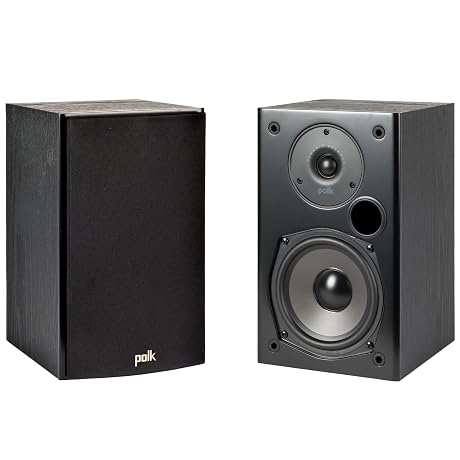
High frequencies are managed by a specialized 1-inch ring-radiator tweeter, a component typically found in high-end freestanding speakers rather than conventional in-wall architectural units. This tweeter geometry provides extended top-end clarity, low distortion, and a broad dispersion pattern that creates an expansive stereo sweet spot. For video creators and sound editors evaluating playback across a wide editing console, this wide dispersion ensures that panning sounds natural even when moving laterally across a workstation. Unlike traditional desktop enclosures such as the polk r200 bookshelf speakers, which demand precise cabinet positioning and desk stands to achieve proper ear-level alignment, the 265-LS achieves clean spatial imaging directly from the vertical plane of the room boundary.
According to the official polk audio 265-ls specs, the driver assembly is built with polypropylene and composite materials optimized to handle rapid transients without cone breakup. This structural rigidity allows the speaker to produce impactful sound levels without exhibiting mechanical strain. Whether tasked with rendering subtle room ambience in a documentary timeline or handling explosive dynamics in an action film soundtrack, the multi-driver array maintains high fidelity across the audible spectrum without masking critical acoustic details.
PowerPort Bass Venting and Low-End Resonance Control
Low-frequency reproduction within drywall cavities presents unique physical challenges that standard cabinet speakers never have to confront. When a traditional speaker cone moves backward, it vents into a sealed box or a tuned port. In an architectural installation, the speaker uses the open wall cavity as its acoustic chamber. Without deliberate airflow control, air turbulence can produce audible port chuffing and rattle adjoining drywall studs. The integration of polk 265-ls powerport bass venting directly addresses this acoustic obstacle by incorporating an aerodynamic diffuser at the port opening.
The patented PowerPort mechanism channels outgoing air smoothly away from the enclosure structure, transitioning high-velocity airflow into a wide, low-turbulence pattern. This fluid dynamic control minimizes air friction and dampens structural vibration, allowing the dual 6.5-inch drivers to generate deep, articulate bass rather than boomy room modes. In creative audio workflows where tracking low-end mud is essential, this controlled venting prevents dialogue tracks and voiceover recordings from sounding hollow or congested.
Compact cabinet designs like the polk monitor xt15 rely on conventional rear-firing ports that require several inches of clearance from rear walls to prevent bass bloat. In contrast, the 265-LS uses the structural depth of the wall itself in tandem with PowerPort venting to deliver impactful bass boost performance while completely preserving usable room square footage. The result is a clean, resonant foundation that supports music tracks and cinematic sound effects without muddying the upper registers.
Mounting Practicality and In-Wall Installation
Executing a clean, professional build requires hardware that simplifies the mechanical challenges of mounting in drywall. The polk audio 265-ls installation workflow utilizes an 8 rotating cam stabilizing system engineered for a simple one-cut, drop-in procedure. Once the appropriate rectangular cutout is made in the wall board, the speaker chassis slides into place. Tightening the front-facing mounting screws swings the rotating cams outward behind the drywall, clamping the perimeter of the polypropylene frame securely against the wall surface without requiring rear access.
A critical engineering feature of this polk audio 265-ls in-wall speaker is its minimally flanged perimeter and Polk’s ultra-thin Sheer-Grille. Protruding a mere 7mm from the wall plane, the grille creates an almost flush boundary that visual creators and minimalists appreciate. The magnetically secured metal grille attaches effortlessly to the front frame, eliminating visible mounting screw holes and uneven seams. Because the grille is fully paintable, it can be color-matched to your studio’s interior paint or acoustic fabric walls, allowing the hardware to virtually disappear from visual sight lines.
Installers should note that the product listing specifies a single unit count, meaning each speaker is purchased individually rather than in stereo pairs. While the system can be mounted into both new construction frames using optional brackets and existing drywall retrofits, it is not waterproof. Users planning multi-room audio must keep the speaker inside climate-controlled indoor spaces, avoiding exposed outdoor patios or damp pool houses where moisture could degrade internal components.
Boundary Calibration and Surface Reflectivity Controls
Acoustic performance in creator studios and living spaces is heavily dictated by boundary surfaces. Hardwood flooring, large monitor screens, video displays, and glass windows introduce high-frequency reflections that can make audio sound overly bright, harsh, or fatiguing during long listening sessions. The Polk Audio 265-LS addresses this environmental variance through a front-panel reflective room compensation control switch, giving users hardware-level acoustic adaptation right on the baffle.
This reflective room compensation switch digitally compensates for harsh boundary surfaces by attenuating excess treble energy without compromising detail resolution or midrange articulation. When engaged, the filter calms harsh high-frequency spikes caused by nearby glass or bare drywall, restoring tonal balance across the listening area. This acoustic flexibility allows video producers to achieve reliable monitoring balance even in multi-use rooms that lack dedicated acoustic treatment or heavy dampening panels.
In studios running auxiliary speakers, such as compact utility monitors like the polk t15 speakers in secondary control booths, maintaining consistent frequency response across different zones is essential. The baffle switch on the 265-LS ensures that its 1-inch ring radiator can be tuned to match the surrounding acoustic context, preventing jarring shifts in treble balance when transitioning playback between different rooms or production suites.
Check Polk Audio 265-LS on Amazon
Is the Polk Audio 265-LS Worth It
Deciding whether the polk audio vanishing series 265-ls represents the right investment depends primarily on your workspace priorities and structural installation flexibility. If your goal is to eliminate floor clutter, free up workstation desk space, and maintain reference-grade acoustic dynamics, this speaker delivers exceptional architectural value. Its 3-way driver topology, patented PowerPort bass management, and near-invisible 7mm Sheer-Grille make it a standout choice for creators building clean media editing suites or modern home theater environments where bulky speaker towers are unacceptable.
However, the 265-LS is not suited for every setup. Renters unable to cut drywall apertures, creators who require portable desktop monitors for mobile shoots, or users needing weather-sealed outdoor patio audio will need to look elsewhere. Furthermore, because each unit is packaged individually, building a full surround sound or stereo configuration requires buying multiple units, which demands careful planning around in-wall cable routing and multi-channel amplification.
For homeowners and production professionals investing in a permanent, clutter-free audio environment, the question of whether the polk audio 265-ls for home theater is worth it yields a clear positive answer. Backed by Polk’s lifetime warranty, robust polypropylene structural design, and front-baffle room compensation, this loudspeaker successfully blends audiophile-grade separation with true architectural invisibility, proving that high-impact sound does not require sacrificing usable living or studio space.
FAQ
Can the Polk Audio 265-LS be used as a primary front stereo pair?
Yes. While engineered to excel in surround configurations, the 3-way driver configuration and dual 6.5-inch Dynamic Balance drivers provide sufficient dynamic range and frequency separation to operate effectively as left and right main stereo channels in high-end audio setups.
How does the PowerPort bass venting function inside a hollow drywall cavity?
Polk’s patented PowerPort technology uses an aerodynamic cone positioned at the port mouth to smoothly direct airflow away from the enclosure. This controlled venting reduces air turbulence and mechanical friction, minimizing unwanted drywall vibrations and port noise while delivering clean, deep low frequencies.
Is the Polk Audio 265-LS waterproof for outdoor or high-moisture installations?
No. The official specifications explicitly state that the speaker is not waterproof. It is designed solely for indoor home audio, media rooms, and home theater environments, and should not be installed in outdoor areas or spaces exposed to direct moisture.
What does the reflective room compensation switch do on the front baffle?
The front-panel reflective room compensation switch adjusts the high-frequency output of the 1-inch ring-radiator tweeter. It allows users to compensate for harsh acoustic reflections caused by smooth walls, large windows, and hardwood floors, delivering smoother, less fatiguing sound.
Are Polk Audio 265-LS speakers sold in pairs or individually?
The Polk Audio 265-LS is sold as a single unit count per box. Shoppers planning a two-channel stereo setup or a multi-speaker surround sound system will need to purchase the appropriate number of individual units for their specific layout.