As Amazon Associates, we earn from qualifying purchases. This means we may receive a small commission at no extra cost to you if you click through and make a purchase.
The standard fabric head strap included with the Meta Quest 2 is notorious for causing user fatigue during extended virtual reality sessions. Because the default elastic band provides minimal counterweight and relies almost entirely on tension pulling directly against the user’s cheekbones and forehead, it quickly leads to pressure marks and neck strain. Upgrading to the Meta Quest 2 Elite Strap addresses this exact problem by replacing flexible cloth with a rigid, structured harness designed to lift weight away from the face. If you find yourself cutting your VR modeling, gaming, or filming sessions short due to discomfort, this official accessory offers an immediate mechanical improvement over the out-of-the-box setup.
Choosing whether to make this upgrade comes down to your usage patterns and whether you need consistent optical clarity during active movement. While newer standalone headsets exist across the immersive hardware landscape, such as the devices discussed in our vr meta quest 3 overview, maximizing the ergonomics of the Quest 2 remains essential for creators and hobbyists relying on this platform today. This comprehensive review examines the physical build, balancing mechanics, optical stability, and day-to-day usability of the official strap, helping you decide whether its structural redesign justifies the investment for your creative workflow.

What You Get With the Meta Quest 2 Elite Strap
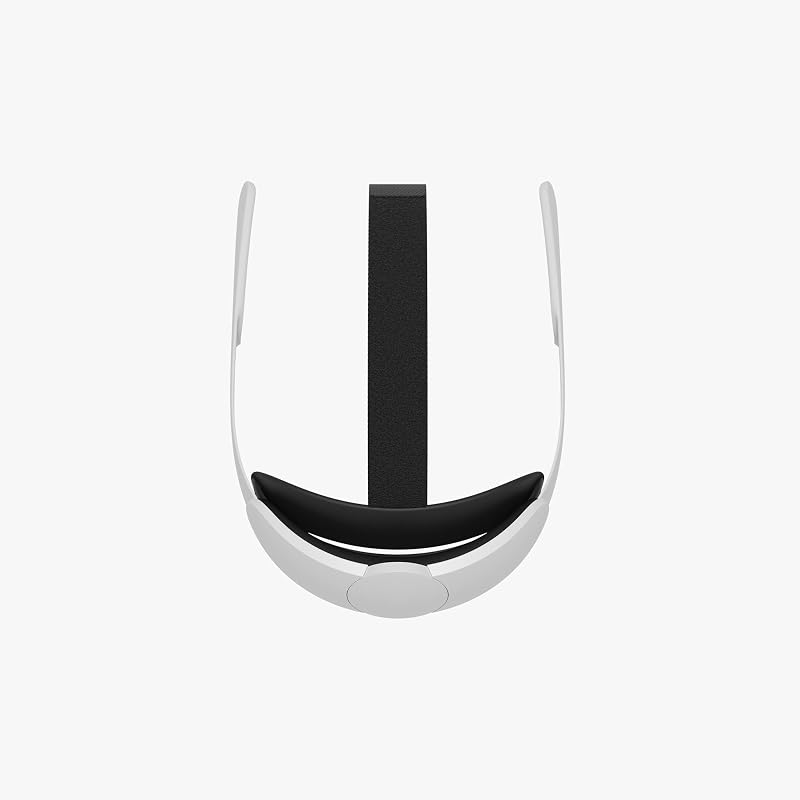
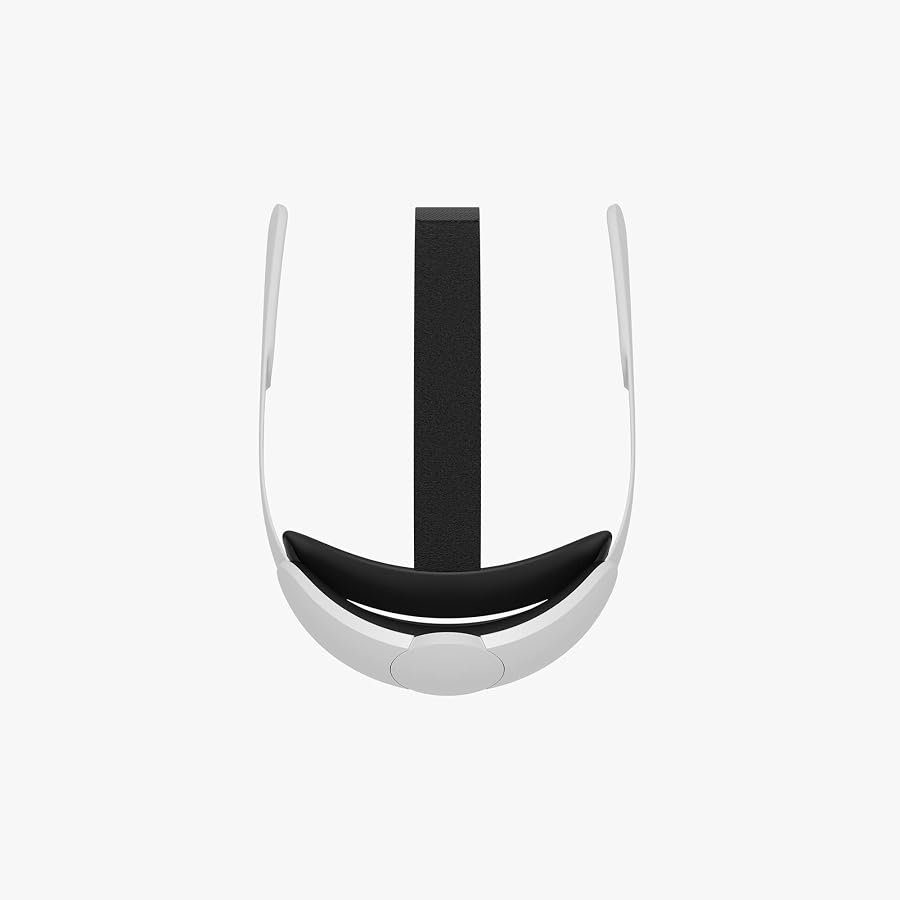
The product arrives as a complete structural replacement system designed to clip directly onto the existing headset chassis, utilizing official design tolerances for direct integration. The manufacturer notes that packaging may vary between classic Oculus branding and newer Meta Quest branding during the naming transition, but the internal hardware components remain identical regardless of the box art you receive.
- Rigid stabilizing side straps engineered to provide all-round structural support.
- Flexible soft silicone rear support brace shaped to cradle the back of the wearer’s head.
- Integrated mechanical fit wheel for rapid, micro-adjustable tension control.
- Overhead vertical suspension strap designed to distribute top-down weight across the crown.
- Snap-in mounting clips molded to secure directly onto the Quest 2 side speaker arms.
- Instructional documentation outlining proper attachment and adjustment protocols.
Key Specifications
Understanding the official technical specifications helps evaluate how this accessory alters the footprint and mass of your VR hardware.
| Attribute | Detail |
|---|---|
| Product Dimensions | 0.63 x 25.2 x 7.6 inches |
| Item Weight | 6.2 ounces (listing also references 6.24 ounces packaged mass) |
| Model Number | 301-00375-01 |
| Manufacturer | Oculus |
| Release Date | October 13, 2020 |
| Item Classification | Accessory / Headset Enhancement |
| Department | Unisex-adult / all-inclusive |
| Power Specifications | 1 Lithium Ion batteries required (per listing specification) |
| Chassis Compatibility | Official Meta Quest hardware and accessories (sold separately) |
| Materials and Finish | Premium Meta Quest matching materials, colors, and textures |
Weight Distribution and Facial Pressure Relief
The primary engineering goal of this ergonomic upgrade is resolving the severe front-heavy cantilevering inherent to standalone VR hardware. The front chassis houses the computer processors, cooling fans, tracking cameras, and dual display lenses, placing hundreds of grams of mechanical components directly over your nose and brow. The standard cloth strap attempts to counteract this by simply pulling the front box harder against your facial tissues, which frequently creates forehead soreness and sinus pressure. By utilizing rigid stabilizing arms paired with an arched occipital bracket, the upgrade establishes an entirely different load path that redistributes mass across the top and base of the skull.
When analyzing bobovr m3 pro style halo mounts versus rigid tension systems, the mechanical philosophy becomes clear. Halo designs float the display above the eyes, whereas this official harness uses a hybrid tension-and-cradle system. The soft silicone rear brace grips below the occipital protuberance at the base of the skull, acting as a stable physical anchor. Once the rear dial is tightened, the rigid side arms brace against the skull rather than stretching like cloth, transferring downward torque off your cheekbones and dispersing it toward the crown and rear. This deliberate shift improves overall quest 2 elite strap balance, allowing users to conduct longer work sessions without experiencing immediate facial fatigue.
Real-world comfort during intensive spatial creation depends heavily on reducing high-friction contact points on sensitive facial skin. The listing highlights how the coordinated support system lifts headset weight away from the face, and this mechanical lifting action dramatically reduces the clamping force required from the facial gasket. Instead of feeling like a tight scuba mask pressing against your nose, the headset feels suspended. This dramatic reduction in localized pressure directly addresses meta quest 2 elite strap comfort, making prolonged software development, virtual scouting, and digital workspace navigation far more sustainable over hours of continuous wear.
Maintaining Optical Clarity and the Visual Sweet Spot
For video editors, 3D modelers, and VR creators, visual fidelity is just as critical as physical comfort. Fresnel lenses in standalone VR feature a specific optical center, colloquially known as the sweet spot, where chromatic aberration is lowest and geometric distortion is minimized. When a user wears a standard elastic band, even small head gestures cause the heavy front unit to bounce, slide down the nose, or tilt out of alignment. Once the lenses shift mere millimeters away from pupil center, text blurs, chromatic fringing appears along high-contrast edges, and eye strain escalates rapidly.
The rigid stabilizing straps of the upgraded harness lock the optical plane rigidly into place. Because the side arms do not bend or stretch under movement, turning your head quickly to review panoramic camera footage or inspect a 3D asset retains strict physical alignment between your eyes and the glass. The meta quest 2 elite strap sweet spot remains anchored exactly where you calibrated it at the start of a session. This rigid mechanical coupling ensures that high-detail interfaces, editing timelines, and graphical menus remain razor-sharp throughout dynamic head motions.
This stability makes the meta quest 2 elite strap for creators an essential utility rather than a superficial vanity upgrade. When navigating spatial design engines or filming interactive VR tutorials, erratic shifts in the display angle ruin immersion and induce vestibular disorientation. By establishing a rigid cage around the perimeter of the head, the harness keeps the optical display completely locked to skull movement. The resulting stability eliminates the constant need to manually grab the front housing and nudge it back into focus every few minutes.
Adjustability and Mechanical Fit Wheel Operation
Personalization and rapid adjustment are central to the utility of this accessory. The centerpiece of the rear harness is the smoothly ratcheting fit wheel, which allows users to dial in tension with millimeter precision. Unlike hook-and-loop velcro straps that require awkward two-handed pulling while balancing the headset on your head, the meta quest 2 elite strap fit wheel operates effortlessly with a single hand positioned behind the neck. Clockwise rotation incrementally pulls the rigid arms inward, while a counter-clockwise turn loosens the mechanism smoothly for instant removal.
This mechanical micro-adjustment proves invaluable when switching between different users or adapting to different physical tasks. For instance, collaborative production teams frequently pass a single development headset between animators, sound designers, and directors. With the turn-dial system, fitting the headset to a completely different head circumference takes less than three seconds. The flexible rear silicone cup automatically self-centers around different skull shapes, conforming naturally without pinching ears or pulling hair.
Proper calibration of the overhead strap is equally critical to maximizing the effectiveness of the fit wheel. The vertical nylon strap sets the height at which the headset rests over your eyes, preventing the plastic casing from sitting directly on the bridge of your nose. Once the top strap is secured to carry vertical suspension, the rear dial only needs enough tension to maintain horizontal friction against the back of the skull. This dual-axis approach delivers balanced meta quest 2 elite strap weight distribution without requiring excessive clamping pressure.
Hardware Installation and Long-Term Durability
Upgrading your hardware does not require specialized tools, permanent modifications, or technical expertise. The meta quest 2 elite strap installation is an intuitive process that takes less than two minutes. The original fabric band snaps off the headset’s lateral audio struts with gentle outward pressure. Once the old elastic harness is detached, the rigid side rails of the upgrade slide over the same lateral speaker arms and click securely into position. The top overhead strap then threads through the upper loop on the front facial interface, completing the physical transformation.
Physical integration with the base hardware feels entirely cohesive because the accessory uses the same matte white polycarbonate shell, matching textures, and precision tolerances as the headset itself. The seamless fit prevents creaking during head turns and preserves clear audio passthrough from the built-in directional speakers housed inside the side arms. While modern alternatives exist across newer product generations, such as the meta quest 3 elite head strap or systems engineered for the meta quest 3s 256gb, the dedicated mechanical architecture here matches the unique chassis geometry of the Quest 2 flawlessly.
Material longevity is a frequent consideration for any rigid harness subjected to continuous mechanical flexing. The composite plastics used along the side arms are engineered to endure cyclic bending as you don and remove the hardware. To preserve the structural integrity of the side rails over years of ownership, users should always loosen the rear fit wheel completely before pulling the headset off, rather than yanking the rigid assembly upward against tension. Treating the mechanical dial as the primary entry and exit control protects the gearing and side bands from unnecessary torsional fatigue.
Check Meta Quest 2 Elite Strap on Amazon
Is the Meta Quest 2 Elite Strap Worth It
Determining whether the upgrade is justified depends entirely on how many hours you spend inside spatial environments and what types of software you run. For occasional casual users who only jump into short immersive experiences once a month, the default fabric band may be adequate despite its ergonomic limitations. However, when evaluating whether is meta quest 2 elite strap worth it for power users, simulation enthusiasts, fitness participants, and creative professionals, the answer is an overwhelming yes. The dramatic reduction in facial pressure and total elimination of headset wobble fundamentally changes the usability of the hardware.
From an economic and workflow standpoint, the upgrade transforms a front-heavy novelty into a reliable spatial workstation. Without persistent red pressure marks on your face or dull neck strain after forty minutes of continuous work, you can focus entirely on project execution, 3D asset inspection, or content capture. The rigid harness transforms the Quest 2 from feeling like a precarious gadget strapped to your nose into a balanced, integrated piece of wearable computing equipment.
Ultimately, this accessory remains the definitive official ergonomics upgrade for the platform. It eliminates the frustration of sliding lenses, minimizes visual blurring caused by poor optical alignment, and provides effortless adjustment across diverse head shapes. If you plan to keep your Quest 2 in active service for gaming, multimedia consumption, or production work, pairing it with this rigid support system delivers a substantial and immediately noticeable quality-of-life improvement.
FAQ
Does the Meta Quest 2 Elite Strap include a built-in battery pack?
This standalone accessory is the standard structural harness, not the Elite Strap with Battery bundle. While the technical specifications table provided by the manufacturer listing mentions 1 Lithium Ion battery required, this specific model operates entirely as a mechanical head harness without integrated electronic charging cells or power cables. If you need auxiliary operating time, external battery solutions must be purchased separately.
How do you properly clean the rear silicone support brace?
The rear support cradle is constructed from a flexible silicone material that does not absorb sweat, skin oils, or hair products. Maintenance is straightforward: wipe down the silicone surface and plastic side rails with a damp microfiber cloth or non-abrasive antibacterial wipe after rigorous workout or work sessions. Avoid submerging the mechanical dial assembly in water to prevent damage to internal ratcheting gears.
Can I use the Elite Strap with third-party facial interfaces?
Yes. Because the rigid side arms snap onto the lateral audio struts of the main chassis and the top strap loops through the front structural anchor, the harness is fully compatible with standard replacement facial interfaces, silicone covers, and ventilation gaskets designed for the Quest 2. The listing confirms effortless compatibility across official hardware and standard design accessories.
Does the Quest 2 still fit into travel cases with the rigid strap installed?
Because the rigid side arms and rear silicone cradle do not roll up like the original soft cloth band, the overall footprint of the headset increases significantly. It will not fit into ultra-compact pouches designed strictly for the baseline elastic strap. However, it fits comfortably inside official Meta Quest carrying cases and standard third-party hard-shell cases engineered to accommodate rigid headbands.
Why does the packaging sometimes display the Oculus brand instead of Meta?
The product initially launched under the Oculus brand before the corporate rebranding to Meta Quest. As noted in the official manufacturer listing, packaging may vary during inventory transitions, and boxes may feature legacy Oculus logos and naming conventions. Both versions contain the exact same physical hardware, structural specifications, and mounting components.