As Amazon Associates, we earn from qualifying purchases. This means we may receive a small commission at no extra cost to you if you click through and make a purchase.
Content creators who assemble dedicated digital media workstations frequently face a compromise between high-throughput multi-core processing and realistic thermal management. The Intel Core Ultra 7 265K arrives as an unlocked desktop processor engineered to rebalance that formula for video editors, digital audio engineers, visual artists, and multitasking streamers. Built around a hybrid microarchitecture featuring twenty physical cores running at clock speeds up to 5.5 GHz, this chip is designed to tackle intensive encoding, multi-layered compositing, and large-scale rendering without demanding impractical cooling solutions or overwhelming standard studio chassis.
Choosing the proper silicon for a production rig requires looking past synthetic figures and examining how hardware allocates resources under sustained creative pressure. This guide breaks down what the architecture brings to real-world creative pipelines, how its power requirements influence component selection, and what to expect from the LGA 1851 socket transition. We explore core allocation, connectivity for high-speed scratch disks, operating platform requirements, and whether upgrading to this generation provides tangible value for creative professionals planning their next workstation build.

What You Get With the Intel Core Ultra 7 265K

The retail package for this processor is focused strictly on the silicon itself, prioritizing experienced system builders who intend to install customized cooling gear suited to their workstation requirements.
- Intel Core Ultra 7 265K desktop processor unit
- Hybrid architecture featuring 20 physical cores divided into 8 P-cores and 12 E-cores
- 20 concurrent processing threads optimized for modern scheduler engines
- Peak clock frequencies reaching up to 5.5 GHz via Turbo Boost Max Technology 3.0
- Integrated cache subsystem featuring 36MB of installed cache and 30MB of secondary cache
- Native support for high-speed DDR5 system memory configurations
- PCIe 5.0 and PCIe 4.0 expansion connectivity directly from the processor lanes
- Compatibility with motherboards utilizing the Intel 800 series chipset
- Factory documentation and warranty literature, while the listing specifies no thermal solution is included
Key Specifications
| Feature | Specification |
|---|---|
| Processor Model | Intel Core Ultra 7 265K |
| Processor Series | Intel Core Ultra 7 (Series 2) |
| Total Physical Cores | 20 (8 Performance-cores + 12 Efficient-cores) |
| Total Concurrent Threads | 20 threads |
| Maximum Boost Frequency | Up to 5.5 GHz |
| Installed Cache Memory | 36 MB Cache (30 MB Secondary Cache) |
| Processor Base Power | 125 Watts |
| Motherboard Socket Type | LGA 1851 |
| Compatible Chipsets | Intel 800 Series Chipset |
| PCI Express Support | PCIe 5.0 and PCIe 4.0 |
Architectural Efficiency and Multi-Core Creator Workloads
Creative applications rely on sustained computational power across mixed thread demands. In intensive content production tasks like real-time color grading, 4K timeline scrubbing, and complex timeline rendering, balancing active foreground responsiveness against background data crunching is critical. The twenty physical cores of this processor divide tasks purposefully, using eight dedicated Performance-cores to drive latency-sensitive applications while twelve Efficient-cores manage multi-threaded background queues. This division prevents timeline stutter in demanding video suites when rendering assets or encoding preview files simultaneously.
Examining the technical configuration reveals a configuration of 20 physical cores paired with 20 concurrent threads. By assigning each thread directly to an individual physical core rather than multiplexing single cores into virtual threads, the processor avoids thread contention during heavy batch exports. Those analyzing an intel ultra 9 alternative often notice higher core totals, yet this 20-core framework provides substantial capability for multi-track audio production and high-bitrate video stitching while keeping operating variables within an approachable window for standard creator rigs.
Large project files also depend heavily on immediate cache access to keep rendering pipelines supplied with computational data. With 36MB of total installed cache along with 30MB of secondary cache, the architecture minimizes the cycles CPU cores spend waiting for memory transfers during asset rendering. This onboard capacity helps video editing platforms maintain stability during multi-camera cuts, raw footage decompression, and motion graphics previews, making the overall workstation feel consistently snappy throughout long production sessions.
Thermal Design and Power Consumption in Production Rigs
Sustained production workloads generate heat that can challenge quiet studio environments, particularly when rendering animations or exporting multi-hour timeline cuts. The processor features a 125W processor base power specification, serving as the baseline target when running creator applications at standard loads. Because the architecture focuses on improved execution efficiency, it aims to keep PC systems running cooler, quieter, and quicker than prior generation hardware that drew excessive power to achieve high clock speeds.
Maintaining high turbo frequencies up to 5.5 GHz under load still requires thoughtful system cooling, especially since no stock heatsink or liquid cooler is included in the retail packaging. Content creators who prioritize low noise floors for audio capture and voiceover work will want to pair the chip with an aftermarket dual-tower air cooler or a closed-loop liquid cooling setup. A capable cooling configuration allows Turbo Boost Max Technology 3.0 to sustain maximum speeds without causing thermal throttling during exhaustive rendering sequences.
Power management extends beyond CPU cooling into chassis acoustics and power supply selection. Because the processor is designed to regulate energy use efficiently across both core types, idle and moderate-load studio scenarios—such as basic timeline arrangement, sound mixing, or asset organization—draw minimal energy. This thermal efficiency keeps cooling fans spinning at lower RPMs during preparatory editing work, preventing unwanted ambient hum in recording environments while keeping plenty of headroom available for full multi-core exports.
Platform Features and Storage Throughput on LGA 1851
Adopting this generation involves transitioning to the LGA 1851 socket architecture and pairing the processor with an Intel 800 series chipset motherboard. While this transition means older LGA 1700 motherboards cannot host the chip, the new platform delivers significant expansion advantages for dedicated creative setups. A modern video production build demands massive throughput across multiple storage drives, high-resolution ingest capture cards, and high-performance discrete graphics cards, all of which benefit from the robust PCIe structure built into this system.
Integrated PCIe 5.0 and PCIe 4.0 support ensures that professional editors can assemble rapid storage configurations capable of handling high-bitrate raw formats like ProRes RAW or uncompressed cinema sequences. High-speed NVMe scratch disks plugged directly into PCIe 5.0 pathways eliminate drive bottlenecks during playback of layered 4K or 8K assets. Those evaluating the non-overclocked intel core ultra 7 265 will recognize that both iterations share modern connectivity standards, giving creative professionals access to rapid media ingest channels across the broader 800 series platform ecosystem.
Memory throughput represents another major pillar of workstation stability, and the platform natively supports fast DDR5 modules to facilitate massive data throughput across creative suites. High-capacity DDR5 configurations handle complex visual effects trees, 3D mesh processing, and large software sample libraries with minimal delay. With additional features like Intel Optane Memory support and modern peripheral bus configurations running on Windows 11, the platform functions as an expansive foundation for high-end digital media production.
Check Intel Core Ultra 7 265K on Amazon
Is the Intel Core Ultra 7 265K Worth It
Deciding whether this processor fits your editing setup depends primarily on your current hardware baseline and everyday creative workload. For video editors, 3D animators, and independent visual artists currently running older multi-generation platforms, the leap to 20 physical cores, up to 5.5 GHz clock rates, and PCIe 5.0 data speeds offers a transformative upgrade in export speeds and overall application responsiveness. The refined 125W base power rating makes it particularly compelling for creators who need heavy compute capability without generating excessive heat or requiring extreme cooling gear.
However, prospective buyers must factor the full platform investment into their planning. Because the processor requires an LGA 1851 motherboard based on the Intel 800 series chipset alongside modern DDR5 memory and an aftermarket cooler, upgrading is essentially a complete motherboard and CPU overhaul. For creators already working on recent flagship configurations, the transition might represent an incremental efficiency upgrade rather than an urgent necessity. But for builders starting a clean production workstation, the combination of modern I/O lanes and hybrid core balancing provides substantial future-proofing.
Ultimately, this desktop chip delivers a practical middle ground for creators who find entry-level processors too slow for heavy rendering but wish to avoid the extreme cooling demands and higher power limits of top-tier desktop parts. It provides reliable processing muscle for video editing, digital audio production, and 3D modeling tasks while operating inside a predictable thermal envelope that keeps production setups stable during deadline-driven workloads.
FAQ
Does the Intel Core Ultra 7 265K include a bundled CPU cooler?
No, the retail listing explicitly states that no thermal solution is included in the package. Builders must purchase an aftermarket cooling solution, such as a high-performance air cooler or liquid radiator, to manage operating temperatures under multi-core workloads.
What motherboard socket and chipset are required for this processor?
The processor operates on the LGA 1851 socket and requires an Intel 800 series chipset-based motherboard. It is physically and electrically incompatible with older LGA 1700 motherboards.
How many threads does the 20-core processor support?
The processor features 20 physical cores and supports 20 concurrent threads. The architecture provides a direct 1:1 mapping between physical cores and active processing threads, utilizing 8 Performance-cores and 12 Efficient-cores.
Does the processor support older DDR4 system memory?
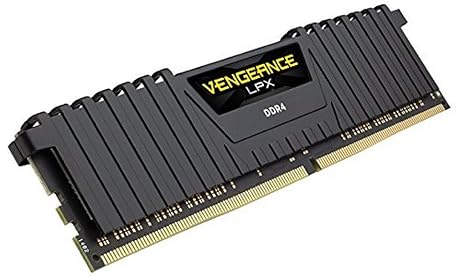
The product specifications indicate support for modern DDR5 memory configurations. It does not list compatibility for legacy DDR4 modules on its compatible 800 series motherboard platform.
Which operating system is listed for optimal platform compatibility?
The processor listing specifies Windows 11 as the supported platform, which includes the updated scheduler mechanisms needed to balance workloads across the hybrid microarchitecture efficiently.